
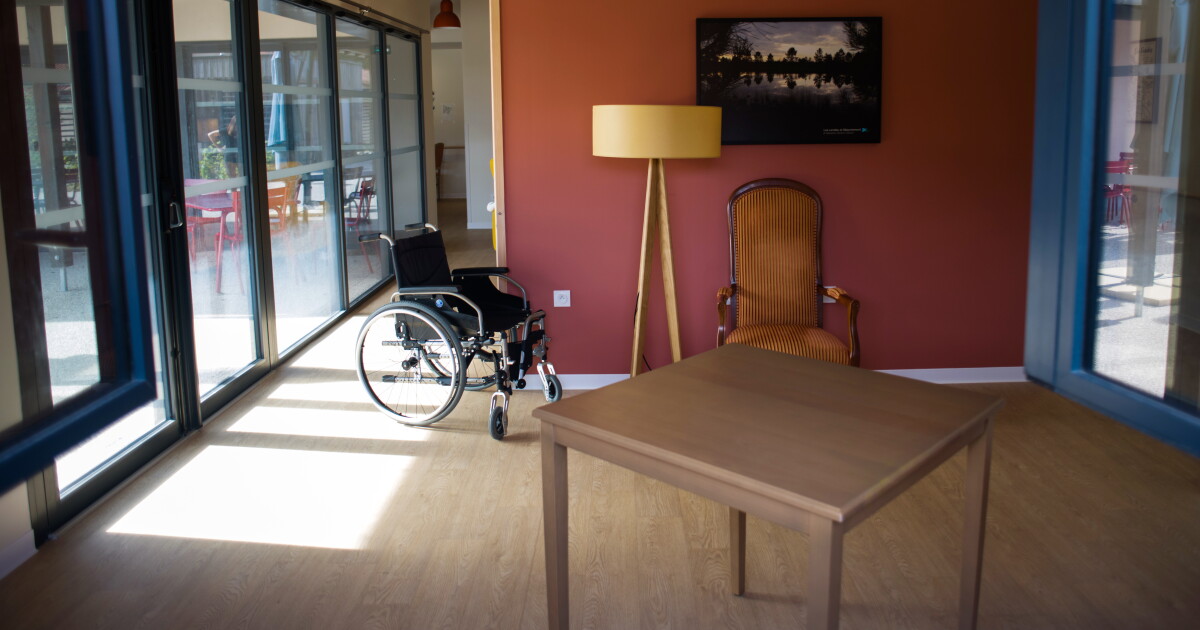
Senior housing deals in the US are on pace for a record year as investors rush to capture high returns amid growing demand from the country's aging baby boomers.
Sales of senior living and care facilities reached roughly $28 billion this year through September, more than any full-year total in data from Newmark Group Inc. going back to 2001. That transaction value is up 111% from the first nine months of 2025, the biggest jump for any real estate class after data centers.
The sector has been lucrative for investors, generating 16.2% returns on average in the second quarter, compared with 4.9% for industrial real estate and 4.1% for offices, Newmark said.
READ MORE:
Investors anticipate that an increasing population of elderly Americans will generate a greater need for senior living communities. The oldest baby boomers, born in 1946, are turning 80 this year. The number of Americans who are that age or older is projected to jump more than 50% in the decade through 2035, the US Census Bureau
"A combination of 80-plus population growth exploding in the US, which is driving the growth and demand for senior housing, and low birth rates in the last 20 to 40 years, which resulted in the dearth of caregivers," is enticing investors to the sector, said Adam Doneger, executive vice chairman of US capital markets at Newmark.
READ MORE:
High construction costs as a result of inflation, tariffs and elevated interest rates as well as a more complicated development process have constrained the supply of new senior housing, Doneger said.
Hines, which has $91 billion of assets under management, is interested in buying senior housing properties in locations that are close to urban centers, said Alfonso Munk, co-head of investment management at the firm.
"There is significant demand for senior housing but not enough stock in the US," Munk said.