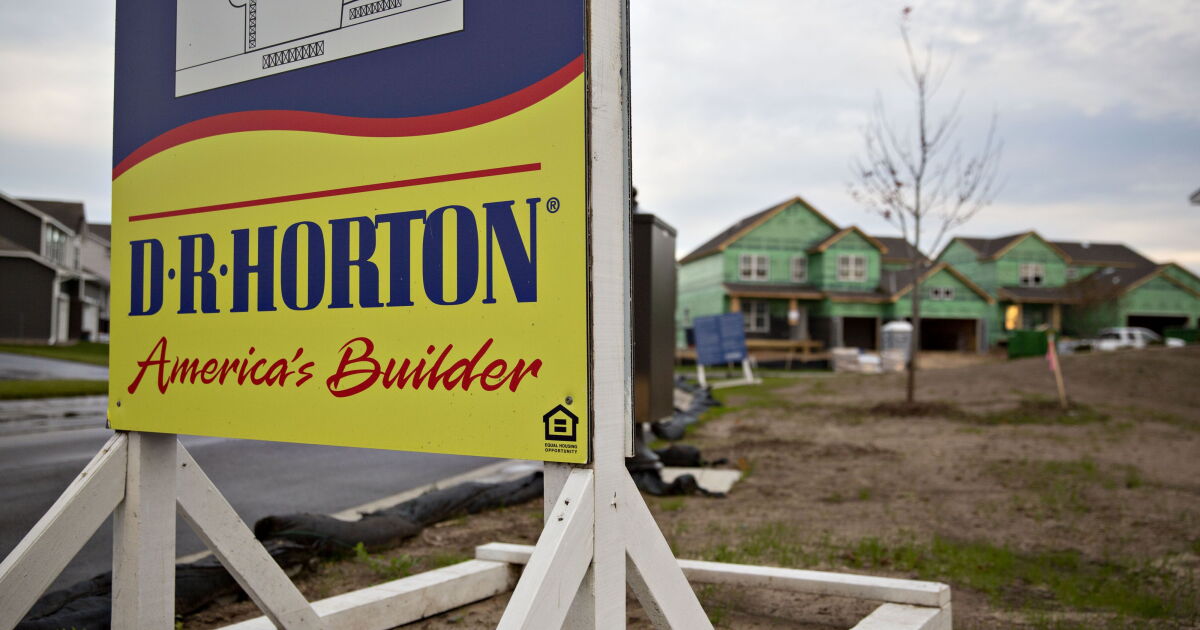
D.R. Horton is tapping the full legal playbook to challenge a class action racketeering lawsuit plaintiffs say could encompass tens of thousands of homeowners.
The nation's largest home builder last week filed a motion to compel arbitration with the home buyers
The move adds to D.R. Horton's pending motion to dismiss the accusations that it
A federal judge last month agreed to postpone discovery in the eight-month old case pending a ruling on the motion to dismiss. The company has insisted in filings that it followed federal disclosure rules regarding monthly payment estimates for its customers.
Plaintiffs argue that they've successfully alleged the legal elements of a RICO enterprise, and are also suing D.R. Horton for violating other state consumer protection laws.
Neither attorneys for the parties nor a spokesperson for D.R. Horton responded to requests for comment Monday.
The dispute
Plaintiffs who bought D.R. Horton-built homes with loans from DHI Mortgage say the company knowingly misled them with artificially low payments, driven down by partially escrowed property taxes in monthly payment estimates.
Once a subsequent servicer undertook a proper escrow analysis, borrowers' monthly payments soared, forcing them to scramble to make up, in some cases, hundreds of dollars extra per month in mortgage payments, they said.
"Defendants have run this scheme thousands of times and did so to close more home sales and extract higher prices for these homes (and larger loans) from homebuyers," wrote counsel for plaintiffs in a June filing.
D.R. Horton said in its motion to dismiss that new construction is typically assessed by local officials with lower tax rates when loans close, and that borrowers signed notices explaining their escrow amounts would be reassessed.
The company recently argued that the lawsuit's claims are covered by broad arbitration clauses. Defendants
The federal judge in the Nevada forum did not indicate a timeline for a ruling on the motion to dismiss. Plaintiffs haven't specified the exact range of the potential class they'd seek to certify, but have suggested it could be greater than 100,000 affected home buyers.
The industry giant has seemingly weathered the