- Key insight: The Federal Reserve has restructured its supervision and regulation division and plans to bring in outside hires to fill existing vacancies on the team.
- Expert quote: "Our job is not to save a failing bank. Our job is to ensure … that we're helping them identify what the problems are and allowing them to address them through that supervision process." — Fed Vice Chair for Supervision Michelle Bowman
- Forward Look: The changes to the team are aimed at advancing Bowman's vision of a less prescriptive and process-oriented approach to bank supervision.
The Federal Reserve's chief regulator said she is looking for outside hires to round out her overhaul of the central bank's supervision and regulation division.
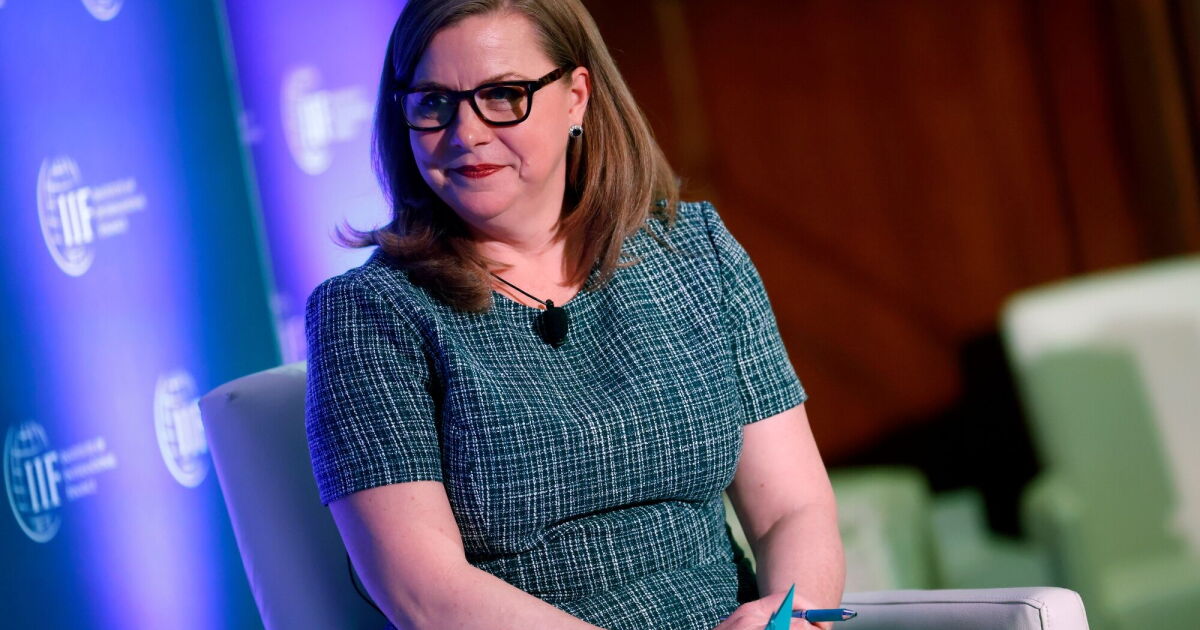
In an onstage appearance Thursday morning at the Massachusetts Bankers Association 2026 Executive Officers Conference, Vice Chair for Supervision Michelle Bowman said the Fed recently finalized a new organizational chart for its oversight team and will soon post openings for key positions.
Bowman noted that the restructuring was part of her broader effort to
"We'll be advertising for a number of roles within that new structure to help us shift our focus into more of the financial risks that actually lead to banks' failures," Bowman said. "So that doesn't mean we're taking our eye off the ball for all of the risks, but we're prioritizing those risks, and our citations of official violations for those things that we recognize can lead to a failure."
According to the Fed's website, there are at least a dozen vacancies on the leadership team for the supervision and regulation division, including the director position, which has been open since long-time Fed staffer Michael Gibson retired from the role last summer.
Bowman declined to say how many positions the Fed would be looking to fill, but noted that the total staff size would be 350.
"If you know anyone that's looking to work at the Federal Reserve, we would love to have your recommendations or send the openings to them," Bowman told the audience of bankers from around New England. "There will be many."
Since taking the reins as the Fed's vice chair for supervision last year, Bowman has sought to overhaul the institution's approach to bank oversight, which she said has been too focused on small, procedural violations, resulting in a flood of citations that make it difficult for bank managers to address pressing issues.
Bowman discussed her efforts on this front during Thursday's event. She said the new approach will result in examiners moving away from a "box-checking" approach to a new set of operating principles that will be shared with banks. She encouraged bankers to familiarize themselves with this new framework and make sure their examiners are adhering to it.
"You can review it as well and understand what we'll be focusing on so that, as we're having conversations about whether or not the priorities that we've been identifying are being implemented, you can check it yourself. It's very transparent," she said. "Are you being asked about your material financial risks? Are we digging into those things that are important and that do lead to risks related to the viability of your financial institution?"
Bowman noted the Fed will continue to examine banks for non-financial practices, such as adherence to the Bank Secrecy Act, anti-money laundering requirements and cybersecurity best practices. She said these types of shortcomings will still be recorded by examiners, but will be less likely to result in formal citations.
"We can observe things and include them in a report and share them with you, but it doesn't have to rise to the level of some sort of an official violation," she said. "It's something that we can track and we can talk with you about, but we don't want to overwhelm financial institutions with matters requiring attention or formal actions when we really want you to focus on those things that might affect the viability of your financial institution."
Bowman said she is hoping to codify this new approach to oversight and enforcement across the banking system through a set of
Overall, Bowman described her approach to bank oversight as one committed to working with banks to achieve shared goals, rather than one fixated on eliminating all failures through prescriptive policies and actions.
"Our job is not to save a failing bank," she said. "Our job is to ensure … that we're helping them identify what the problems are and allowing them to address them through that supervision process."