

- Key Insight: Uncover how a new partnership is deploying machine learning with the aim of improving the management of mortgage pipeline risk.
- What's at Stake: Mortgage lenders operating on razor-thin margins who could take losses without accurate modeling of loan pull-through rates.
- Forward Look: What's coming: AI-driven recommendations detailing the steps needed to get individual loans closed and funded.
Industry executives have formed a new capital markets execution and advisory firm called F9 Advisors LLC that is partnering with Polly to support artificial intelligence's application to mortgage hedging at a time when it's taking on growing importance.Brandon Story, who served as chief investment officer for Mr. Cooper prior to the
Executives behind the partnership include F9 Chief Operating Officer Virgil Caselli Jr. and Rob Kessel, who served as an advisor to Polly. Kessel founded Compass Analytics prior to its sale to
The F9-Polly partnership supports loan pipeline hedging solely through Polly's
"What we're striving to do is minimize pull-through error through machine learning and then ultimately upgrade the client's ability to manage their risk better, which will drive down their hedging costs," Story said in an interview.
Sizing up pull through correctly makes hedging, which is done to protect profit margins from rate moves, more effective.
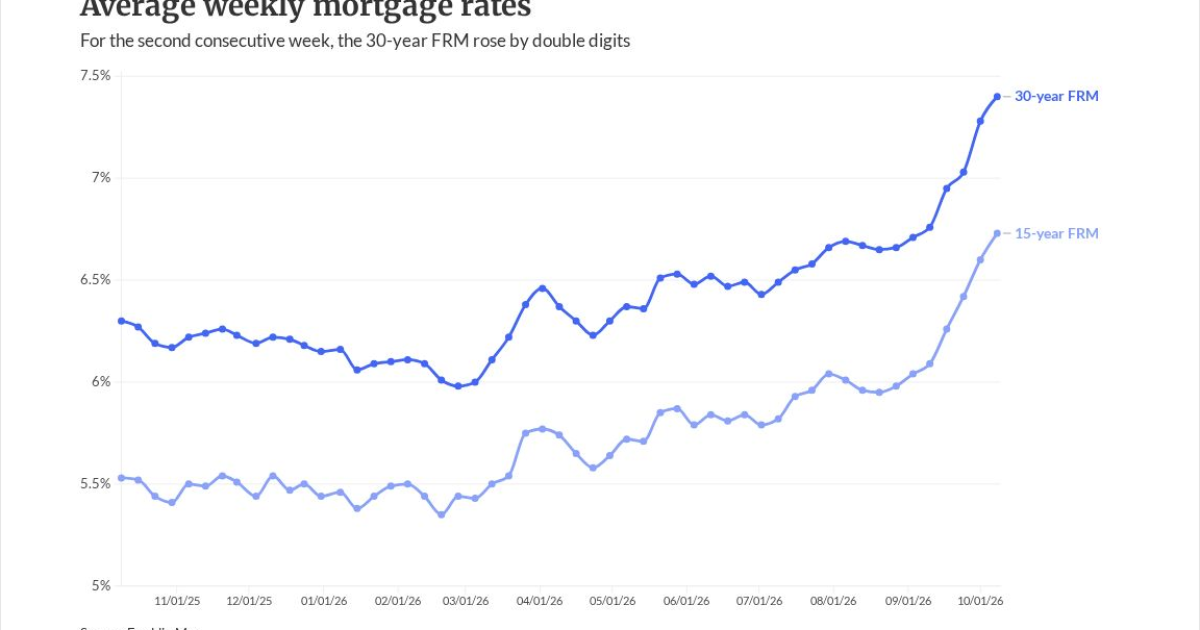
That becomes more essential when rates rise as they have recently, generally forcing lenders to operate on thinner margins that can absorb less in the way of errors. It also comes into play when rates fall and fewer borrowers may close loans as they anticipate better deals.
"The goal is to have your model pull-through be equal to your actual pull-through in a multitude of rate cycles," Story said.
Goals for use of AI
Ideal hedging not only is not only closely matched to real outcomes but provides insight into pull-through rate drivers, and agentic AI's ability to engage with information in proactive ways.
"We have the capability to pull virtually any field inside of their loan origination system, and through machine learning we can compare and contrast," Story said.
Technology also facilitates more regular analysis of pull through than traditional measures.
A capability the partnership is moving toward in the future is one in which the system can review a particular loan and recommend what has to be done to get it to go through the full approval process, including underwriting closing and funding.
"We can make an operational recommendation and say something like, 'Hey, all you have to do is grab this pay stub, and we can get this loan closed in five days,' and that will improve your pull through," said Story.
"That's the power of using machine learning as it relates to pull through," he added. "It's not just trying to be as accurate as possible. It's also trying to make it as efficient."
The technology also was designed to allow use regardless of whether a company wants to manage its hedging externally or not, with F9 supporting transitions.
"If they want to bring hedging in-house, we applaud that," Story said.