
More than two dozen affiliates of the asset manager Shelving Rock paid a fine to settle
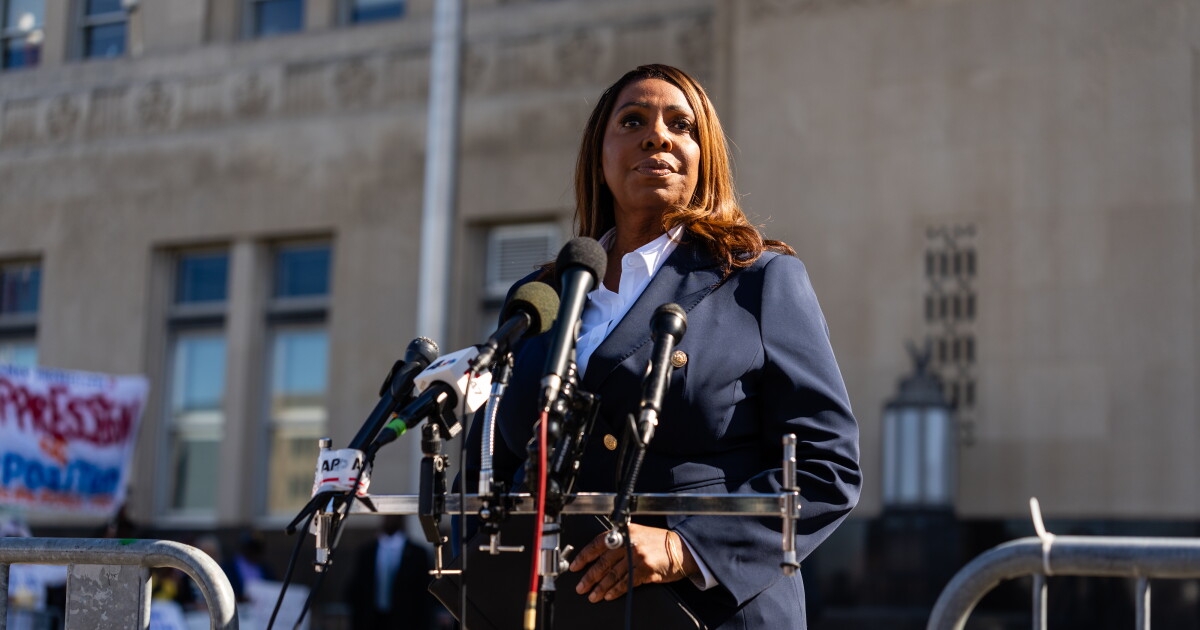
Attorney General Letitia James said her office had secured more than $480,000 in penalties and restitution from the group of debt buyers, which had purchased more than 3,000 of the old mortgages in New York beginning in 2019, according to a statement released Friday.
READ MORE:
An attorney representing the companies declined to comment. As part of the settlement, the companies neither admitted nor denied the state's findings.
In seeking to collect missed payments on these debts, the companies filed more than 140 foreclosure lawsuits and sought principal and interest going as far back as 12 years, according to the settlement. New York law prohibits lenders from collecting past-due loan payments after six years.
"No New Yorker should face losing their home to a predatory company demanding mortgage payments that have long since expired," James said in the
Investors were generating windfall profits by reviving old second loans. Many of these debts were taken out in the run-up to the 2008 financial crisis, when it was common for borrowers to finance their homes with two loans. After housing prices tanked and borrowers stopped paying on the debts, many of these mortgages became all but worthless. Banks and other lenders eventually sold them for pennies on the dollar to investors.
READ MORE:
As home prices recovered, these debt buyers realized it could be lucrative to collect on these long-forgotten loans. Borrowers were often blindsided by demands to repay principal and years of back interest. Some of these homeowners had successfully modified their primary mortgages in the intervening years and were unaware that they still owed money on the second loans, which had often been transferred to opaque trusts and LLCs.
Hiring a lawyer was often a reliable way to beat back illegal demands, Bloomberg found, but many borrowers lacked the resources to do so. As a result, some homeowners agreed to repay amounts that may have exceeded state and federal limits. Other people lost their homes to foreclosure.
More than 600,000 of these zombie mortgages still potentially pose a threat to homeowners across the US, according to an estimate that Bloomberg constructed from property records.
James named five companies in her statement: BCMB1 Trust, First Age LLC, NS194 LLC, Second Start LLC and Southern MBA Trust. All are linked to Connecticut-based Shelving Rock, or its late chief executive officer, Stephen Lamando, according to corporate records and legal filings, Bloomberg reported last year. Lamando, who died in 2023, was a Goldman Sachs Group Inc. alum with a background in mortgage markets.
In addition to paying penalties and restitution, the companies named in the settlement can no longer seek to collect expired debt payments and have to alter their demands in existing foreclosure cases, according to the attorney general's statement.
The US Consumer Financial Protection Bureau had been investigating at least three companies pursuing zombie second mortgages, but that effort stalled amid broader cuts at the agency during the second Trump administration, Bloomberg reported. A spokesperson for the White House who handles inquiries for the CFPB said last year that the work hadn't been abandoned, but the agency has yet to take any public enforcement actions related to zombie loans.
That has left states to pursue the issue on their own. Massachusetts Attorney General Andrea Joy Campbell reached a