The White House is considering throwing its weight behind a push to increase a capital gains tax exemption for primary home sales and cut levies on investments ahead of the midterm election — changes that would disproportionately flow to some of the wealthiest US households.
National Economic Council Director Kevin Hassett and Fox Business host Larry Kudlow on Tuesday touted the capital gains changes as potential economic policies to entice voters. The Republican Party is fighting to retain its majorities in Congress amid widespread affordability concerns.
Yet, those tax cuts would likely do little to help the average voter struggling with high grocery bills and gas prices and would instead predominantly benefit wealthier homeowners, many of whom live in Democratic-led states, including New York and California.
"Anytime you're thinking about alleviating capital gains tax bills, that's almost certainly going to be a regressive policy," said John Ricco, associate director of policy analysis at the Yale Budget Lab. "Most capital gains almost by definition are held and eventually sold — if and when they're sold — by people up the income and wealth ladder."
For example, only about 15% of US homeowners would benefit from an idea to eliminate the capital gain tax exemption on primary homes, according to the National Association of Realtors. The other 85% are already covered by existing capital gains exemptions of up to $500,000 per couple.
Indexing capital gains to inflation — effectively minimizing the tax bills for investors when they sell appreciated real estate, stocks or private business stakes — is even more skewed to the richest Americans. That change would hand the top 0.1% a $350,000 tax break on average, while the bottom 40% of people by income would see no change to their tax burdens, according to the Yale Budget Lab.
Neither proposal has been formally announced by the White House and it's unclear if the administration has plans to pursue or enact any of the changes before the midterms. White House spokesman Kush Desai said that "President Trump is always exploring new ideas to Make America Wealthy Again, but any policy announcements will come from the Administration directly."
Still, the ideas are laden with political risk as Republicans seek to burnish their image with voters before November. Americans, for the first time in nearly a decade, said Democrats are better stewards of the economy, according to a Reuters/Ipsos poll released earlier this month.
Housing boost
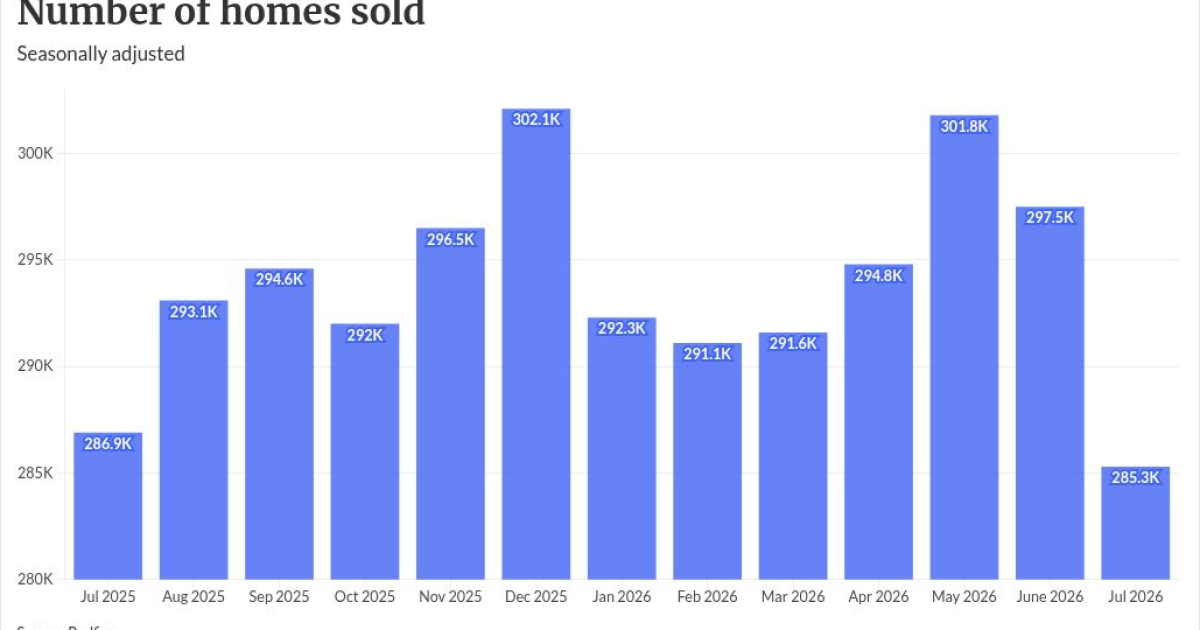
Raising the limit would be a particular boon to homeowners in California, where one in four sellers records more than $500,000 in gains after selling their homes, according to property analytics firm Cotality. Following California is Hawaii, where 21% of sellers make more than $500,000 in profit; Washington state with 19%; Massachusetts with 18%; and New York with 15%.
While a higher exemption would likely encourage more homeowners to put their homes on the market — a move that, in theory, could benefit first-time buyers struggling to break in – the sellers who notch those kinds of gains are typically homeowners who've held the home for some time.
Raising the capital gains exemption for home sales enjoys strong bipartisan support in Congress. A bill sponsored by Representative Jimmy Panetta, a California Democrat, that would double the exemption to $500,000 for individuals and $1 million for married couples has 150 cosponsors, including 29 lawmakers from his state. Doubling the exemption would cost $76 billion over 10 years, Ricco said.
Capital gains debate
Proposals to index capital gains to inflation are also making the rounds in Congress. The concept, which Trump also considered during his first term, would deliver a tax cut to individuals selling investment assets, including real estate and stocks, by eliminating inflation increases from the total amount the asset appreciated.
The Yale Budget Lab estimates retroactively indexing assets to inflation that have already been purchased, as well as those in the future, would cost $1 trillion over 10 years. Including only assets purchased after the policy is put into place would lower the decade cost to $170 billion.
The idea has divided Republicans and has little support among Democrats. Senator Ted Cruz of Texas has championed the idea, and Senator Mike Crapo, chairman of the Senate Finance Committee, has also indicated support. But Representative Jason Smith, chairman of the House Ways and Means Committee with jurisdiction over tax policy, dismissed the policy earlier this year, saying he was focused on helping "working families."
Trump likely needs Congress' support to enact any major tax changes. Some presidents, including Trump during his first term, have floated indexing gains to inflation unilaterally, arguing the authority exists under current Treasury rules. Legal experts have argued that doing so would likely face court challenges.
But politics are likely to get in the way before legal obstacles. The cost of such proposals, the difficulty of passing tax legislation through the House and Senate and the dwindling number of in-session days for Congress before November make it unlikely either proposal is enacted before the midterms.
--With assistance from Josh Wingrove.