

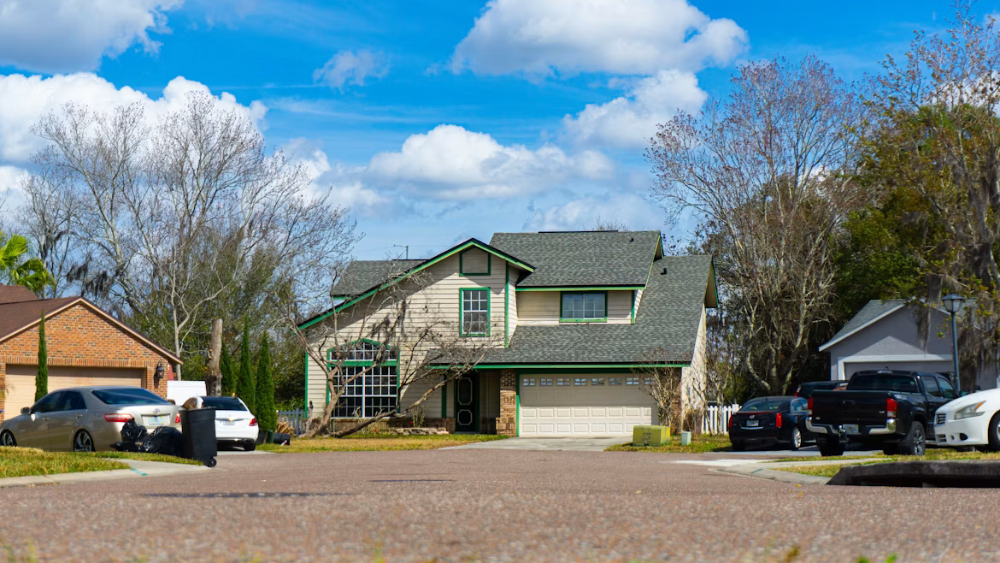
You may have a beautiful home ready to list, but if your neighbor next door has a junk-filled yard, constantly barking dogs, or a habit of throwing loud, late-night parties, you may wonder whether they’ll scare away buyers. If you’re dealing with bad neighbors, this post offers practical advice and expert tips to minimize the impact on your sale and keep buyers focused on your home — not your neighbor.
A neighboring property can influence a buyer’s first impression, especially during a showing or open house. Excessive weeds, bad odors, loud noises, or a cluttered yard filled with broken-down cars or junk can raise concerns about what it might be like to live in the home and neighborhood. However, a bad neighbor doesn’t mean buyers will automatically disqualify your home. In many cases, targeted preparations and good communication can prevent a neighbor issue from becoming a home-sale deal-breaker. The best approach is to address problems early, before your home goes on the market. When it comes to dealing with bad neighbors, it’s likely you expected this initial piece of advice, and perhaps you’ve already tried having a conversation with them. But in some cases, homeowners are hesitant to engage with a troublesome neighbor. Many conflicts stem from misunderstandings or circumstances you may not know about. Without direct communication, it’s easy to assume the worst. In fact, Nicolas Jonville, a top-selling real estate agent in San Marcos, California, believes a respectful conversation is almost always the best place to begin. “Communication tactics are really key, in my opinion. A lot of things can be taken care of with respect and communication.” If your neighbor knows you’re preparing to sell your home, they may be willing to help by keeping the noise down during showings, tidying up their yard, or avoiding disruptive projects on important days. Jonville says you won’t know unless you ask, but you must approach the situation calmly so you have a better chance of preserving a positive relationship while your home is on the market. A mistake to avoid is filing a harsh formal complaint with the police or HOA without ever taking this step. This can make the neighbor feel blindsided. Another mistake is to try to talk to the neighbor when you’re feeling heated emotions. This can quickly turn into a confrontation that shuts down any hope of resolution. Here are five communication tips from the People’s Law Library of Maryland (peoples-law.org). It starts with assuming the best. Your neighbor may not acknowledge your concerns right away, but may change their behavior or address the problem later, after they have had some time to think it over. Next, we’ll take a look at some of the most common problems surrounding selling a house with bad neighbors and how you can work to solve them. A neighbor’s overgrown lawn, peeling paint, or a stained driveway full of junk can affect curb appeal before buyers even step inside your home. In these situations, it’s easy to become frustrated, but Jonville recommends resisting the urge to assume your neighbor simply doesn’t care. It could be a situation in which health problems, financial troubles, or other personal challenges are contributing to your neighbor’s poor property conditions. Instead of criticizing or openly complaining, he advises his clients to consider offering assistance if they feel comfortable doing so. “The bad neighbor who’s not really bad [is one] that doesn’t take care of their home, and it looks awful,” Jonville explains. “If the seller is willing to speak to their neighbor, maybe something can be done to the house — a split of cost to have the front of the house repainted or to improve the front yard.” As a top-rated agent with nearly 25 years of experience, Jonville says he’s even stepped in at times to help neighboring homeowners improve their properties. “As a Realtor, I’ve chipped in to get a client’s neighbor’s yard cleaned up if they couldn’t afford it or didn’t want to.” Making some simple improvements next door, like mowing the lawn, trimming shrubs, repainting a fence, or clearing away debris, can be affordable and noticeable, making a big difference in buyers’ first impressions. Offering to coordinate these improvements or even pay for some minor cleanup can be worthwhile if it ultimately helps your sale. Noise is the most common complaint between neighbors. Incessantly barking dogs, loud music, construction or yard projects starting at 6 a.m., motorcycles, and frequent late-night gatherings can all distract buyers during a showing. But when it comes to noisy neighbors, timing matters. Rather than bringing up a decibel issue while tempers are high, Jonville recommends you select a calm moment to explain that your home will soon be on the market and ask whether your neighbor would be willing to avoid particularly noisy activities during upcoming showings or open houses. You might even begin by asking whether your own household creates any noise that’s inconvenient for them. A little empathy can go a long way toward finding common ground. In any case, if your neighbor tends to be loud only during certain times of day, work with your real estate agent to schedule showings when the neighborhood is typically quieter. In some cases, the problem is more subtle than an unsightly yard or noise. These might include a fence that extends across your property line, tree branches hanging over your yard, or a pet that regularly wanders onto your property (and leaves messes). While these issues may not be as immediately visible, they can discourage buyers and can create unnecessary complications during the selling process. If there’s uncertainty about property boundaries, review your survey together and discuss the issue calmly. If overgrown vegetation or minor repairs are involved, consider working together on a solution instead of arguing over responsibility. A cooperative approach often resolves small issues much faster than escalating the disagreement. As Jonville suggests, this may be another situation in which offering to pay for minor fence repairs, corrections, or yard maintenance could benefit your home sale. The fact is, some neighbors are simply harder to work with. Maybe they regularly host loud parties, argue with other neighbors, or seem determined to make life difficult for everyone around them. While these situations can be frustrating, remember that buyers only need one negative interaction to leave with a bad impression. Jonville says if you’ve already tried communicating without success, focus on what you can control. Work with your agent to schedule showings and open houses during the times your neighbor is least likely to be outside or creating a disturbance. If they tend to entertain late into the evening, morning showings may be a better option. If weekends are especially active, weekday appointments could provide a quieter experience for buyers. You can’t eliminate every distraction, but thoughtful scheduling can help buyers focus on your home instead of what’s happening next door.Can bad neighbors hurt your home’s value or sale?
Start with a conversation
5 tips when talking with a challenging neighbor
1. The neglected property next door
2. The noisy neighbor
3. Property line and maintenance issues
4. The uncooperative neighbor


