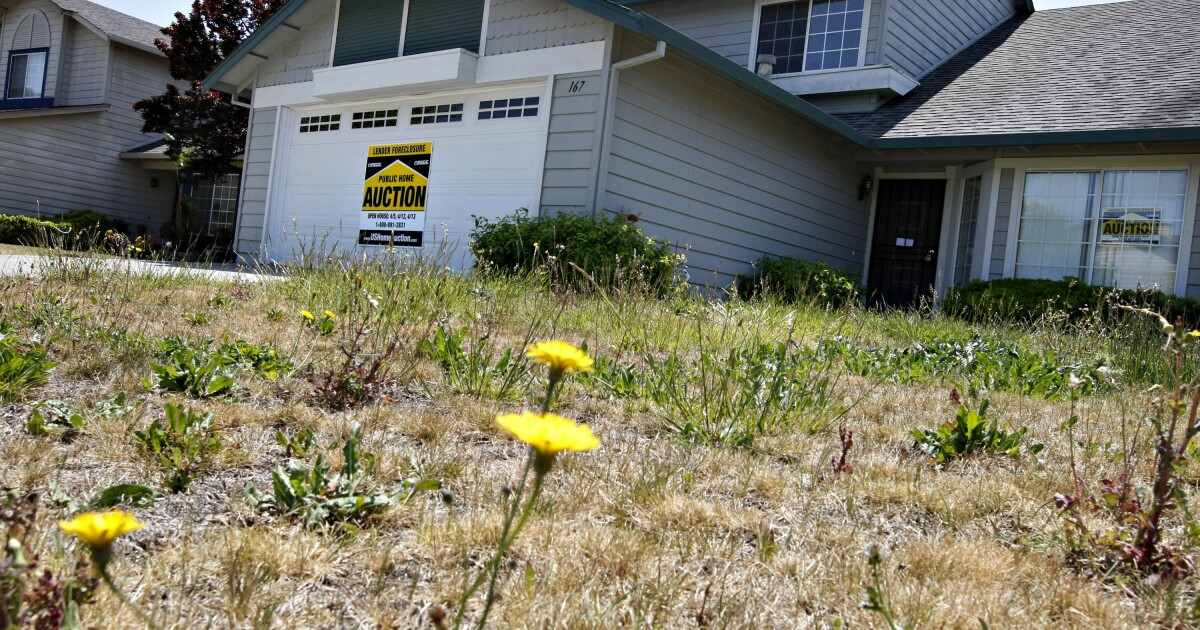
When a borrower leaves a property, voluntarily or through foreclosure, the asset's risk profile changes immediately. For housing financers and mortgage lenders, a vacant home is not simply a pause in revenue. It represents an active liability that requires aggressive management to prevent significant financial loss.
Understanding the specific risks associated with vacant properties helps lenders implement stronger property preservation strategies. The goal is to ensure the asset retains its market value until it can be resold or reoccupied, protecting the lender's investment.
The acceleration of physical deterioration
Occupied homes benefit from the constant presence of people who notice small issues before they become disasters. A homeowner sees a water spot on the ceiling or hears a strange noise from the furnace. In a vacant property, these early warning signs go unnoticed. Small maintenance issues can spiral into structural failures with alarming speed.
READ MORE:
Water damage remains the primary enemy of the vacant home. Without climate control, pipes are susceptible to freezing and bursting during the winter months. A single burst pipe in an unmonitored home can flood multiple floors, leading to structural rot and pervasive mold growth that might require expensive remediation. Lenders must prioritize winterization and regular inspections to catch these environmental threats early.
The threat of vandalism and theft
An empty house often acts as a beacon for criminal activity. The most immediate financial threat comes from the stripping of valuable materials. Copper plumbing, electrical wiring, and HVAC units are prime targets for thieves. The cost to replace these systems far exceeds the scrap value taken, often running into the tens of thousands of dollars.
READ MORE:
Beyond theft, lenders must consider the risk of squatters. Unauthorized occupants can cause extensive damage to a home's interior and pose a complex legal challenge. To avoid this situation, it is important to
Municipal compliance and liability
Risks are not limited to the physical structure. They also extend to the property's legal and regulatory standing. Municipalities are increasingly aggressive about fighting blight. A vacant property with overgrown grass, trash accumulation, or visible disrepair will attract code enforcement citations.
READ MORE:
These fines attach to the property and can grow significantly over time, eventually becoming liens that complicate the title transfer. Furthermore, a property that is not properly maintained presents a liability risk.
Safeguarding the portfolio
The most effective strategy for mitigating risks from vacant properties is proactive property preservation. This accounts for both physical properties and virtual data. All
Unauthorized users can access sensitive property-related information, such as ownership records, loan details, and financial reports, which must be protected to prevent fraud, unauthorized access, or potential legal disputes.
Once a property is confirmed vacant, immediate action is required to secure the perimeter. Changing the locks, draining the water lines, and setting up a recurring lawn care maintenance schedule are essential first steps. Partnering with professional property preservation companies ensures these tasks are handled consistently across a diverse portfolio.