Banking stocks have fallen in early morning trading upon reports that the chancellor is planning to raise tax on banks.
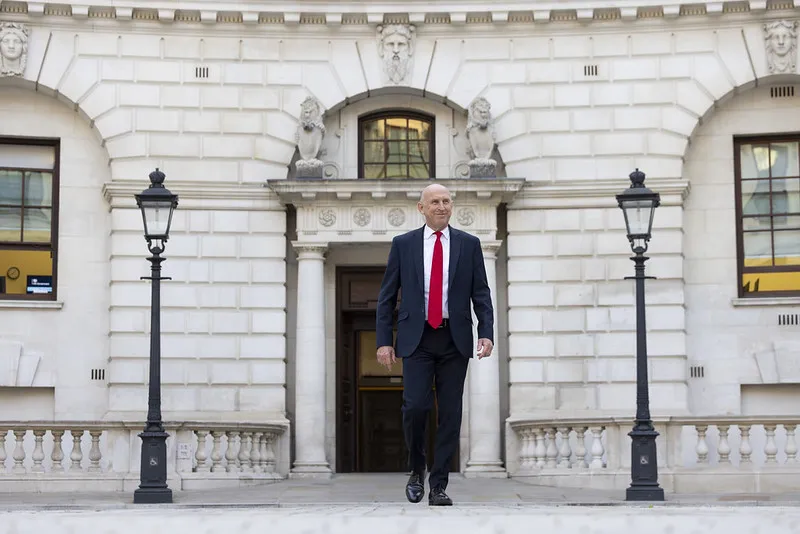
Senior bank executives have told the BBC that chancellor John Healey is planning the move in his first autumn Budget this month.
NatWest and Lloyds Banking Group shares were both down more than 2% in early trading.
The UK’s four biggest banks made around £15bn in profits during the first half of the year, prompting calls from trade unions for the sector to face higher taxes.
Banks and building societies currently pay a 3% surcharge on profits on top of the standard 25% corporation tax rate.
They are also subject to the bank levy, which is calculated according to the size and composition of their balance sheets rather than their profits.
The financial services sector contributed almost £40bn to the Treasury last year when taxes paid by employees are included.
Of this, the bank levy raised around £1.4bn, while the corporation tax surcharge generated a further £1.2bn.
A UK Finance spokesperson says: “A strong banking sector is essential to a strong UK economy.
“Profitable banks can invest in better services for customers, lend to households and businesses, and deliver returns that support people’s savings and pensions.
“Banks also make a major contribution to the public finances and already face a materially higher total tax rate in the UK than in other leading financial centres.
“An increase in bank taxes at the Budget would weaken the UK’s competitiveness, discourage investment and job creation, and work against the government’s ambition to deliver growth in every postcode.”
DeVere Group chief executive Nigel Green says: “Raising bank taxes might look like an easy win on a Treasury spreadsheet, but it’s a tax on lending, and lending is how Britain grows.
“Every extra pound taken from the banks is a pound that doesn’t go into a first-time buyer’s mortgage, a growing firm’s overdraft, or the tech that keeps UK finance ahead of the world.
“Borrowers pay through pricier loans, savers through thinner returns, and millions of ordinary people through pension funds and ISAs that hold bank shares and rely on their dividends. A tax sold as hitting the City ends up hitting households.”