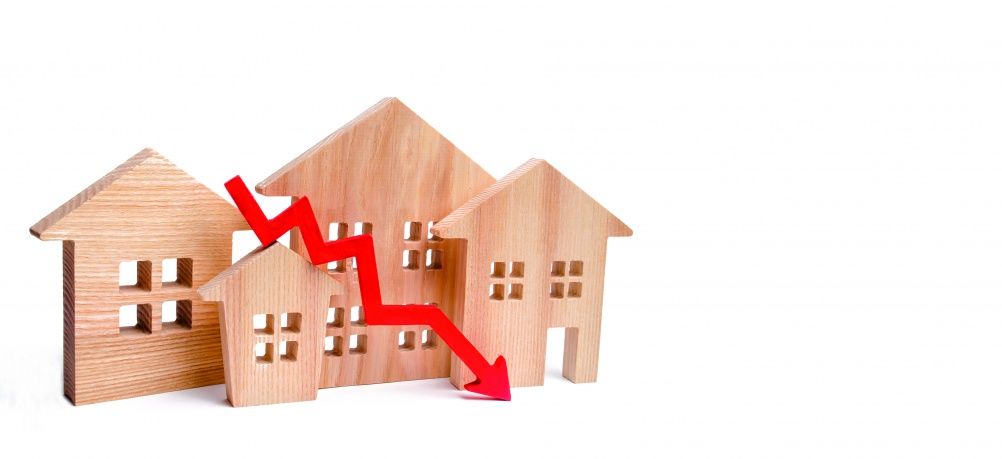
House prices dipped by 0.6% in December, following a 0.1% fall in November, the latest Halifax house price index reveals.
The index found that the average property price is now £297,755, the lowest since June.
Meanwhile, annual growth slowed to 0.3%, down from 0.6% in November.
The index shows that Northern Ireland continues as the strongest performing nation or region in the UK, with average property prices rising 7.5% over the past year, with a typical home now costing £221,062.
In Scotland, the average home now costs £217,775, with the nation recording annual price growth of 3.9% in December.
Elsewhere, property values in Wales rose 1.6% over the year, to an average of £230,233.
In England, the North East had the highest annual growth rate, as property prices rose by 3.5%, to £181,798. This was followed by the North West, which saw growth of 2.8%, to £245,323.
However, property prices in London fell by 1.3% over the course of 2025 to £539,086.
Halifax head of mortgages Amanda Bryden says: “While this may feel like a subdued close to the housing market in 2025, overall activity levels were resilient over the last year and broadly in line with the pre-pandemic average.”
“Various forces are poised to somewhat buoy the market heading into 2026. While December’s monthly fall in prices was likely related to uncertainty in the latter part of the year, this should now be starting to unwind.”
“Further, mortgage rates are already reducing following the latest Base Rate cut and there are an increasing number of lending options available for those borrowing at a higher loan-to-value.”
“While affordability pressures persist, the house price to income ratio was at its lowest in over a decade in December, striking a positive note for those looking to purchase their first home.”
“On this basis, and recognising the headwinds that may affect buying power – such as the slowing of wage inflation and flattening employment rates – we expect a modest rise in house prices during the year of between 1% and 3%.”
Also commenting on the latest data, Bestinvest by Evelyn Partners personal finance analyst Alice Haine says: “While Chancellor Rachel Reeves’ property tax hikes in November proved less widespread and imminent than many had feared, the uncertainty in the lead-up to the fiscal statement weighed heavily on market sentiment, with some buyers and sellers rushing to complete before the announcement, while others paused or abandoned plans altogether.”
“While rumours of sweeping council tax reform and capital gains tax on high-value residences did not materialise, other concerns were realised with the introduction of a new ‘mansion tax’ at the Budget, via a council tax surcharge on properties valued above £2 million, which won’t arrive until 2028. In addition, a hike in income tax on property income of 2-percentage-points from April next year delivered another blow to landlords, who have already endured a series of tax and regulatory changes in recent years.”
“While the latest tax changes may dampen demand further, particularly at the top of the end of the market and in the buy-to-let sector, the softer December data does not tell the full story across 2025, with the housing market proving surprisingly resilient despite a myriad of challenges.”
“First came the end of the stamp duty tax break in the Spring, which triggered a rush of transactions early in the year as buyers sought to lock in lower tax bills before thresholds reverted to their previous, lower levels on April 1.”
“This was followed by a slowdown in demand in the immediate aftermath of the threshold change as buyers adjusted to higher purchase costs – whether moving up the ladder, downsizing or buying a first home.”
OnThe Market president Jason Tebb adds: “While affordability concerns and increased stock levels keep property prices in check to an extent, nevertheless the housing market continues to demonstrate considerable resilience.”
“Although speculation as to what the Budget might hold created uncertainty with some pausing and putting moving plans on hold, there are signs that buyers and sellers are putting this behind them.”
“Falling interest rates have significantly boosted confidence. Six rate cuts in the past 17 months, with more expected this year as inflation appears to have peaked, are easing affordability and giving comfort to those planning a move.”
“As lenders tweaked their mortgage rates downwards towards the end of last year and continue to do so at the start of this one, this will provide further impetus and encourage activity.”