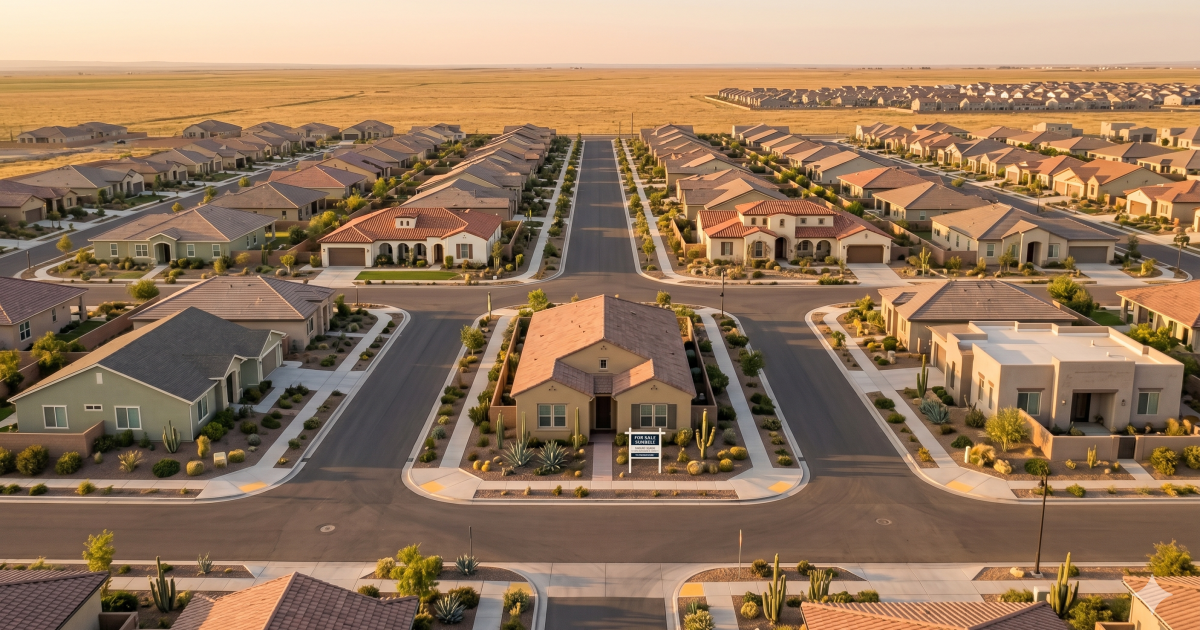
The surplus of sellers in some U.S. metros are giving buyers more negotiating power.
Nearly three-quarters of the most populous cities are buyers markets in May, according to a recent report by Redfin. Of the 50 markets analyzed, Nashville, Miami and three Texas metros have the largest discrepancy. Nationwide, sellers outnumber buyers by nearly half a million.
Many of these cities are seeing the pendulum swing back from the pandemic era, when remote work and low mortgage rates boosted home sales. Builders flocked to the Sunbelt due to the demand, but once these homes were built, high mortgage rates and affordability cooled the market, leaving sellers with unsold homes. Buyers now have more time to pursue a good deal.
"With lots of inventory to choose from, buyers in most of the country can be selective and ask for concessions, while sellers still need to price competitively to stand out," said Asad Khan, senior economist at Redfin in a press release.
Sellers face increased competition from high inventory and fewer buyers. Some
Concessions give buyers more choice and the ability to walk away from homes if there isn't room to negotiate the price. But some sellers are also holding out, creating greater tension and less movement in the market.
"Many sellers won't negotiate or lower their prices. At the same time, buyers are being very particular; they're contending with high mortgage rates, more choices, and often only want to close a deal if sellers will negotiate," said Aaron Glicken, a Redfin Premier in a press release.
There are also less buyers in the market due to affordability concerns from inflation and high gas prices. The economic uncertainty means 2026 is a buyers' market for a dwindling group that can afford to buy. A November 2025
Last week's average
Of the 50 metros analyzed, only 7 were still in favor of sellers with Long Island leading, and 8 balanced markets, including New York and other East Coast metros. These are areas close to job hubs and where supply was generally constrained from fewer buildings over years. San Francisco was the only West Coast city that favored sellers, largely from the AI boom driving up demand for housing in the city.
Still it is uncertain how long sellers of new homes can continue to offer concessions as material costs rise, from high