

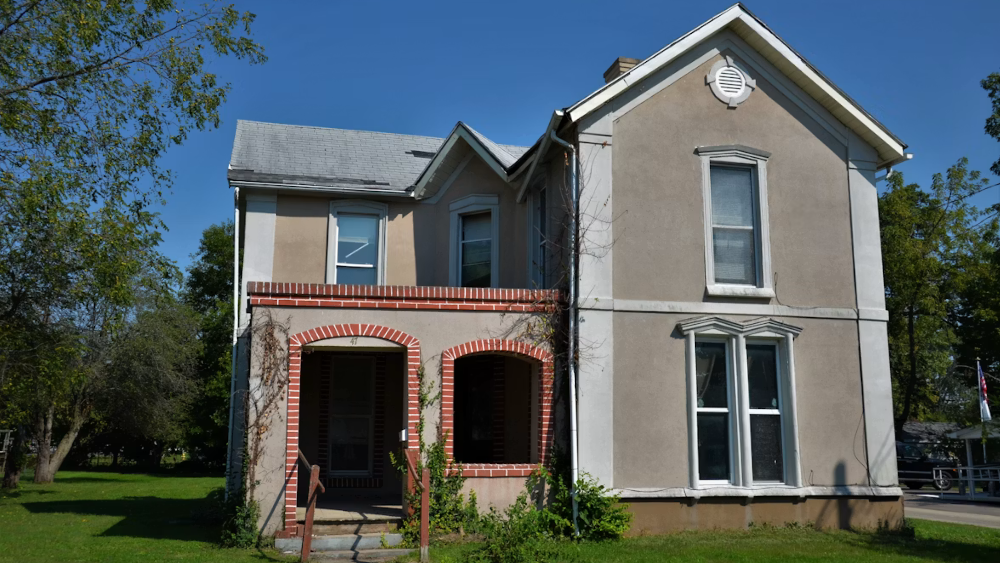
Renowned English artist David Hockney offered this playful advice during an interview: “Always live in the ugliest house on the street, then you don’t have to look at it.” Selling that house, however, is another story. If buyers see it as unattractive, it can cost you time and money. Maybe it’s a dated kitchen, worn-out flooring, or an awkward floor plan. Or perhaps the house itself is fine, but something else is projecting an air of ugliness. In this post, we share real-world, expert tips on how to sell an ugly house.
First, identify what’s making — or might make — buyers hesitate. Then read on to find the strategy that best fits your situation. Here’s a closer look at what potential homebuyers might consider ugly: These are often the easiest issues to overcome because they don’t actually affect how your home functions. Examples include: Many buyers recognize these as weekend projects rather than all-out deal-breakers. Sometimes a home appears unattractive because repairs have been postponed. You may not even notice these issues anymore because you’ve lived with them for years. Examples include: Some sellers underestimate how visible wear and tear can influence perceptions. For example, if a prospective buyer sees a cracked outlet cover or dirty air filters, they might wonder whether larger maintenance problems are hiding beneath the surface. Some homes simply have features that aren’t easy to change. Examples include: These characteristics may narrow your buyer pool, but they rarely make a home unsellable. Sometimes the challenge isn’t the house at all. The perception of ugliness may be coming from things surrounding or near the property. Examples include: While you can’t change the location, you can adjust your pricing and marketing strategy to attract buyers who prioritize space, condition, or affordability over location. Once you’ve identified the type of challenge you’re facing, you can decide where your time and money will have the biggest impact. If your budget is limited, don’t feel pressured to renovate everything. Instead, focus on improvements that buyers notice within the first few minutes of arriving at your home — both from the street and when walking through the front door. Often, relatively inexpensive updates can dramatically improve first impressions, including: These improvements won’t completely transform an outdated home, but they can signal that the property has been cared for. If you’re tackling larger, ugly-house issues, consider your neighborhood and price point before making a major financial investment. Julie Dana, owner of The Home Stylist in western New York, says buyers’ expectations should match the market. “In a $100,000 house, people aren’t expecting granite.” On the other hand, homes in higher price ranges may justify more substantial improvements before listing. Virginia real estate agent Zinta Rodgers-Rickert has been helping home sellers for 37 years. She’s seen relatively modest renovations produce significant returns. “I’ve helped a number of properties that, had they sold with no improvements, would have been in the $390,000 to $410,000 range at best. One seller who spent about $20,000 on updates sold the property for $510,000.” Every home is different. Every market is different, too. Before spending thousands of dollars, ask your real estate agent which improvements buyers in your market value most. A top agent can also help you decide what not to fix. Rodgers-Rickert says one of the biggest mistakes sellers make is pretending obvious issues don’t exist. She advises her clients to be realistic and recognize that buyers will notice outdated kitchens, worn flooring, awkward layouts, or a less-than-ideal location. If the asking price doesn’t reflect those drawbacks, many won’t bother making an offer. Instead of trying to convince buyers your home is something it isn’t, work with your agent to develop a pricing strategy that acknowledges the property’s condition while emphasizing its value. A realistic price can increase competition by attracting buyers looking for a starter home or an opportunity to build equity by making their own improvements. If you ultimately choose not to make repairs, pricing becomes even more important. Some buyers actively search for homes they can update themselves. Others are investors looking for renovation or fix-and-flip projects. The right price helps those buyers recognize the opportunity instead of focusing only on the flaws. Every home has selling points. If buyers spend their entire showing focused on outdated wallpaper or an avocado-green bathroom, they’ll miss the features that truly matter. Rodgers-Rickert encourages sellers to highlight improvements buyers can’t always see in listing photos. “If you can justify that there’s been a $10,000 to $20,000 new roof, new HVAC system, or some of your major systems have been replaced, it’s a big plus.” Make sure your agent’s listing description calls attention to benefits such as: As Rodgers-Rickert puts it: “Buyers today are far more visual. You’ve got about 10 seconds to make them feel like they can work with that property or live in that home.” Professional photography, thoughtful staging, and an experienced listing agent can help buyers see beyond cosmetic distractions and focus on the home’s long-term value. Not every buyer has the ability to look past outdated finishes or unusual design choices. That’s where presentation becomes especially important. A few strategic changes can help buyers focus on the home’s potential rather than its flaws. As a professional home stager with 25 years of experience, Dana recommends keeping the décor simple and working with the home’s existing features rather than fighting against them. “If you’re not going to change it, you’ve got to go with it.” For example, if your bathroom still has vintage yellow tile, complement it with blue or gray towels and accessories instead of trying to disguise it. The goal isn’t to convince buyers the room is brand new. It’s to show that it can still feel clean, functional, and inviting. Dana also recommends: If your home’s décor is especially dated, ask your agent whether virtual staging could help buyers visualize a renovated space. Today’s technology can digitally update flooring, paint colors, and furnishings in listing photos without requiring you to complete expensive renovations first. However, Dana says that if you post virtually enhanced photos on your listing, you should clearly label them to avoid misrepresenting the property. For a more comprehensive checklist, see HomeLight’s guide, “How to Prepare Your Home for Sale and Attract Buyers.” Not every “ugly” house should be renovated before listing. The right decision depends on your budget, timeline, and how much additional value improvements are likely to create. It can also depend on your life situation. Renovating may make sense if: Selling as-is may be the better choice if: Your real estate agent can help estimate whether improvements are likely to produce a positive return or whether pricing the home appropriately in its current condition is the smarter strategy. Many of these decisions can pivot on local market conditions. If your home needs extensive (or expensive) repairs or you don’t want to invest additional time and money into updates, selling to a cash buyer may be a solution worth considering. Many professional house-buying companies purchase homes as-is, meaning you can often skip repairs, staging, and repeated showings. Some companies even buy a house full of stuff you don’t want to clear out. The tradeoff is that convenience usually comes at a lower purchase price than you might receive by listing on the open market. But for some sellers, a fast, streamlined process is the solution they need. If your priority is speed, certainty, and avoiding renovation costs, HomeLight’s Simple Sale platform connects sellers with one of the nation’s largest networks of vetted cash buyers. Depending on your situation, this can be a practical option. If you’re unsure which path makes the most financial sense, Simple Sale lets you compare a cash offer with an estimate of what your home might sell for after being listed with a top real estate agent. Seeing both options side by side can help you make a more informed decision. Selling an ugly house isn’t simply about lowering the price. An experienced listing agent knows how to emphasize your home’s strengths, recommend improvements with the highest return, connect you with reliable contractors, and develop a pricing strategy that attracts the right buyers. Rodgers-Rickert has even helped sellers obtain contractor estimates before listing, so buyers have a clearer understanding of what renovations might cost after closing. And as noted above, she’s also used virtual staging to help buyers look beyond dated finishes and imagine what a space could become. Sometimes buyers simply need help seeing the possibilities. HomeLight’s free Agent Match platform analyzes millions of transactions and thousands of client reviews to connect sellers with top-performing agents who know how to position homes successfully in their local market.What kind of ‘ugly’ are you dealing with?
If your home is…
Your best strategy may be…
Cosmetically outdated
Paint, staging, and photography
Showing deferred maintenance
High-impact repairs and realistic pricing
Functionally awkward
Highlight strengths and use virtual staging
In a challenging location
Competitive pricing and targeted marketing
Cosmetic ugly
Deferred-maintenance ugly
Design ugly
Location ugly
1. Fix the ‘ugly’ buyers notice first
2. Don’t hide flaws; price for them
3. Shift attention to your home’s strengths
4. Help buyers see the potential
5. Decide whether to renovate or sell as-is
6. Consider selling to a cash buyer
7. Work with an agent who knows how to market challenging homes


