
- Key Insight: See why Zillow agreed to a $212.5 million settlement over its defunct homebuying program.
Supporting Data: By the third quarter of 2021, the iBuying unit had to sell off 7,000 homes, and cost Zillow hundreds of millions of dollars in writedowns.Overview bullets generated by AI with editorial review.
Processing Content
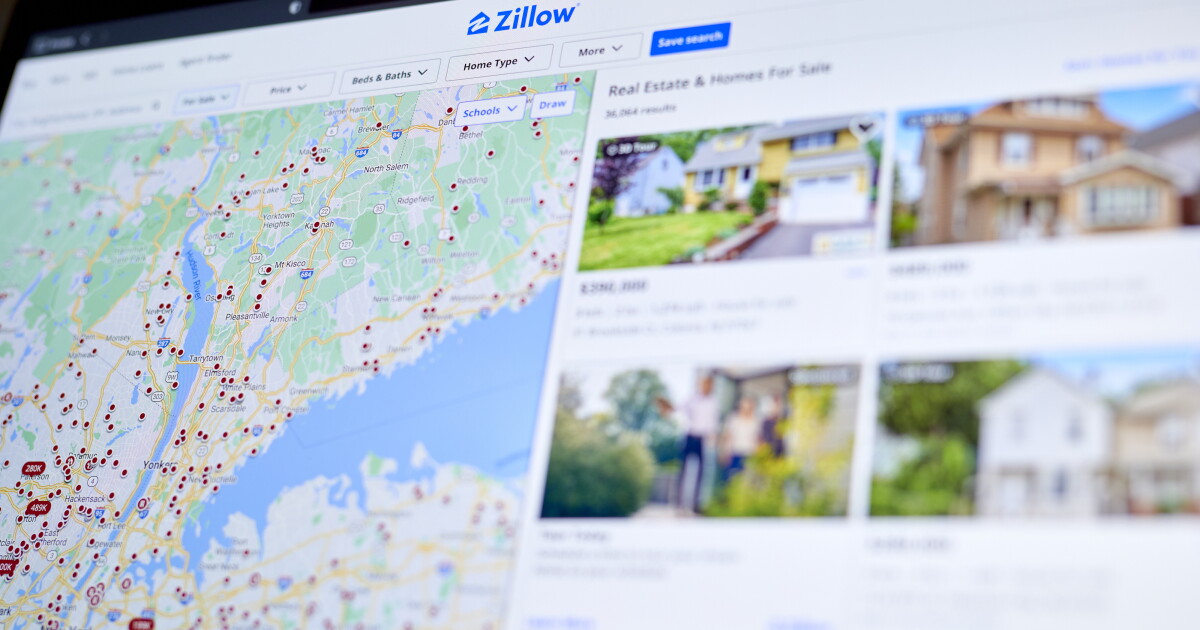
Zillow is paying a whopping settlement to get rid of a class action lawsuit over the demise of its massive iBuyer program earlier this decade. The real estate giant said Wednesday it agreed to a $212.5 million deal to resolve a longstanding class action lawsuit accusing the firm of misleading investors about the performance of
The Zillow Offers program was created in 2018, and was responsible for up to
Plaintiffs sued
In reaching the settlement, Zillow denied wrongdoing. A spokesperson for the company said Zillow was pleased to reach a resolution, while attorneys for plaintiffs didn't respond to requests for comment Thursday. The number of class members, nor attorney's awards, weren't disclosed this week.
Why Zillow Offers failed
The program helped power Zillow's origination machine to over $1 billion in origination volume by the third quarter of 2021. During that time, the company embarked on a fated effort to catch up to iBuyer rival
Whereas the company bought 1,856 homes in the first quarter of 2021, it rapidly increased those purchases to 9,680 in the third quarter alone. At the same time, Zillow also decreased the scope of its home renovations and the prices it paid to contractors, hoping to present sellers with higher financial offers and save costs.
Employees began to raise red flags about the home purchasing activity, according to the lawsuit and other media reports, and contractors began to decline work on the Zillow homes. The unit lost Zillow more than $380 million in the third quarter.
By November 2021, Zillow was looking to sell off 7,000 homes, and reported massive nine-figure inventory writedowns in the second half of 2021. Zillow closed the Offers program in November 2021, blaming its pricing algorithms, labor issues, and its renovation backlog.
Next steps
Of the settlement amount, $48 million will be covered by insurance, Zillow noted in a Securities and Exchange Commission filing. The class includes all persons who bought Zillow Class A or Class C stock between Aug. 5, 2021 and Nov. 2, 2021. Both of those stocks lost approximately 41% of their value during that stretch, with the Class A stock falling from a high of $112.50 per share to $65.86 per share by Nov. 3.
The Seattle-based business faces a few other class action lawsuits, including a case alleging the firm
Zillow Home Loans meanwhile has chugged along, posting larger revenue and origination gains in its most recent period. For the second quarter, Zillow reported $84 million in mortgage segment revenue and $2.2 billion in purchase loan volume, both up significantly quarterly and annually.