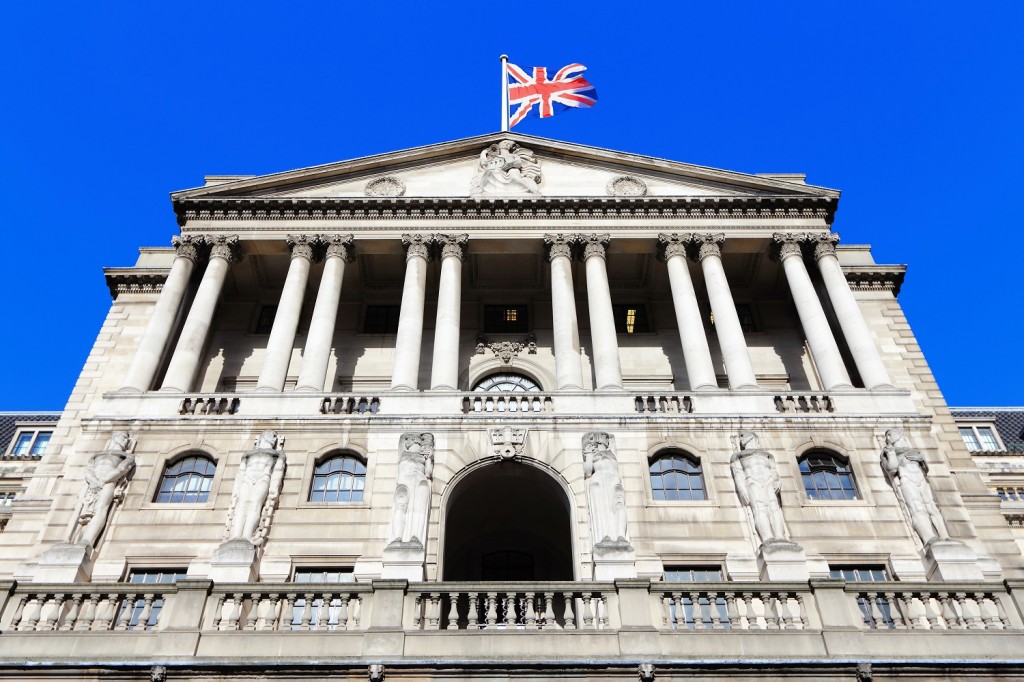
Mortgage experts say they were resigned to the Bank of England’s decision to hold base rate at 3.75% today.
The Bank’s Monetary Policy Committee (MPC) voted unanimously to keep base rate at its current level.
The decision to hold base rate came as most MPC members decided the inflationary impact of the war in the Middle East made cutting rates too risky.
The conflict has caused swap rates to rise, dragging up the cost of fixed-rate mortgages.
Before the conflict began, lenders were pricing in a March base rate cut and expected at least one other reduction during 2026.
The next MPC decision will take place on 30 April.
Fleet Mortgages chief commercial officer Steve Cox said: “A month ago, a Bank base rate cut at this meeting looked almost certain, but the global picture has changed dramatically in a very short space of time.
“The war in Iran, the conflict in the Middle East and the wider instability it has created, particularly the sharp movements in oil prices, has understandably made the MPC far more cautious.
“Energy costs have a direct line into inflation expectations and, given the potential knock-on effects for the UK economy, it makes sense that the MPC has chosen to pause and give itself time to see how these events develop before taking the next step on rates.”
While this MPC decision was widely expected, there is a chance base rate could rise later this year, according to Just Mortgages and Spicerhaart chief executive John Phillips.
Phillips said: “It’s a relief to see the MPC sit on its hands at its first meeting since the Middle East conflict. Speaking with industry colleagues, there was certainly a worry that we would see the central bank react with a rate rise.
“That said, it’s hard to predict where we go from here and what the future path of interest rates now looks like. So much depends on how drawn out this conflict becomes and the impact it has on prices and inflation more broadly. We shouldn’t rule out the prospect of increases in the future.”
The possibility of a future base rate hike was also shared by SPF Private Clients chief executive Mark Harris.
Harris said: “Market expectations for two or three further quarter-point rate cuts this year resulted in a fall in swap rates, which underpin the pricing of fixed-rate mortgages. Now, with market expectations that those reductions won’t happen, and a possibility that rates may even rise at some point, swaps are extremely volatile and have edged upwards again.”
RAW Capital Partners chief executive Tim Parkes said: “Today’s hold changes very little. The mortgage market is still having to contend with a high degree of uncertainty, and much of that is being driven by events outside the UK. Geopolitical instability is once again feeding into inflation expectations, market sentiment and funding costs, making the outlook for the mortgage and buy-to-let sectors difficult to call.
“That uncertainty is feeding directly into lender behaviour, with product pricing still moving quickly as lenders respond to shifts in swap rates and a more unsettled backdrop. This is adding to the pressure on brokers, who are having to navigate a market where product availability can change at short notice and certainty is harder to deliver.”