Trump administration officials respectively said Wednesday that Fannie Mae and Freddie Mac are "definitely ready" for a stock offering within a certain range and a conservatorship exit is an eventual goal.
Federal Housing Finance Agency Director Bill Pulte told Fox Business News that the GSEs could stage a secondary sale of 2.5-5% equity stake, which the administration has sometimes informally referenced through loose use of the abbreviation for initial public offering. Technically, this would not be a secondary offering because
"Obviously that would be up to the president when or if he decides to do it," Pulte said, reiterating past assertions and noting that the fact that an IPO hasn't been rushed has benefits in potentially improving potential gains and allowing expenditures on other projects.
"People wanted him to sell this company for $100 billion in his first term. Thank God we didn't do that because now we're spending
Hints at how housing policy is being prioritized
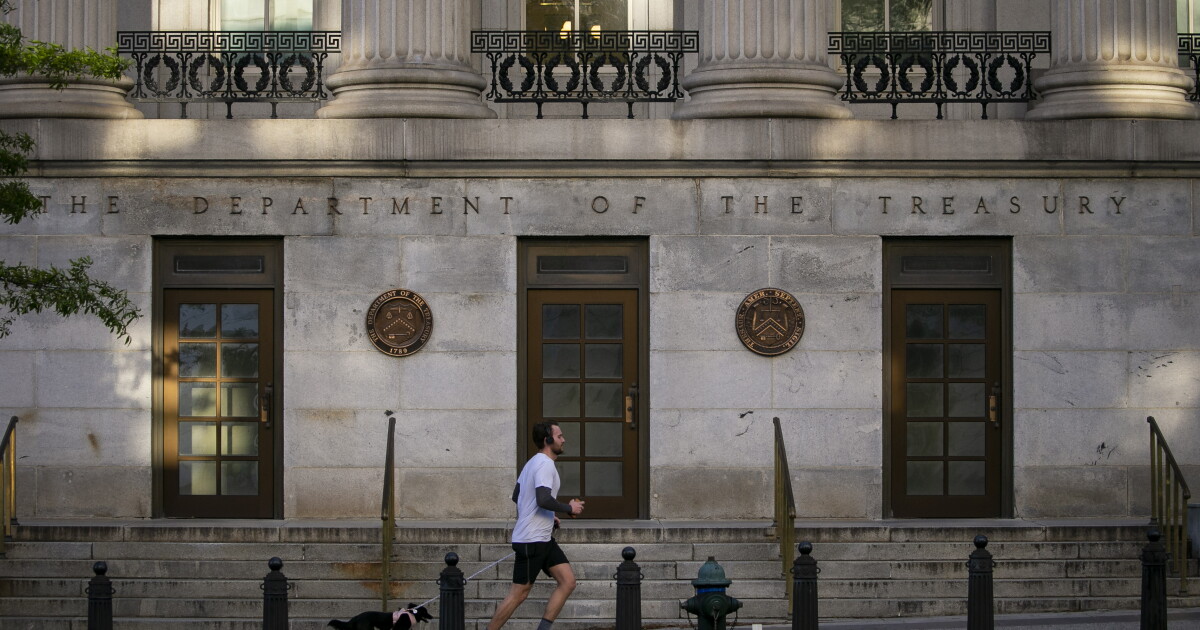
Bringing the size of mortgage payments down is the priority, but "moving toward Fannie and Freddie eventually leaving conservatorship" remains part of the picture, Treasury Secretary Scott Bessent said separately during a Financial Stability Oversight Council hearing.
Bessent called the intervention in spreads, or how mortgage-backed securities trade relative to treasury bonds, the "North Star" in housing policy while answering a question from Rep. Jim Himes, D.-Conn.
Himes, who noted that he was
Lower rates from MBS purchases do more to help with demand than supply but it's possible that Bessent did not get to fully answer the question because he was cut short by a time limit during the hearing in which
Complexities driving mortgage spreads and rates
One of the many disagreements in the hearing was over how influential the purchases have been in narrowing spreads, with Himes noting that government-related guarantee that the enterprises' mortgage securities have also affects how competitive they are with treasuries.
The many factors that influence mortgage rates help explain why they have not repeated their initial drop after the MBS purchase announcement, with
Another one of those complexities could be changes in international investors' appetite for the residential mortgage-backed securities relative to treasury bonds.
Some international buyers have recently shown an unusual preference for short-duration RMBS with strong credit to treasuries as safe haven investments amid foreign policy shifts, Quincy Tang, a Morningstar DBRS managing director, said at the rating agency's recent conference.
This trend appears less likely to apply to longer-term MBS that drive the rates most home mortgages today have and the investors involved tend primarily to be domestic, but international buyers are significant enough to exert some influence and point to the variety of spread drivers.
Tang also said at the same conference that
The fact that rates haven't continued to drop precipitously is a mixed blessing for the mortgage market as a whole because while the original decline in response to the surprise announcement of the purchases in the fourth quarter helped lending,
There also has been some
The Trump administration and Federal Reserve Chairman Jerome Powell have been at odds on rate policy. Trump recently