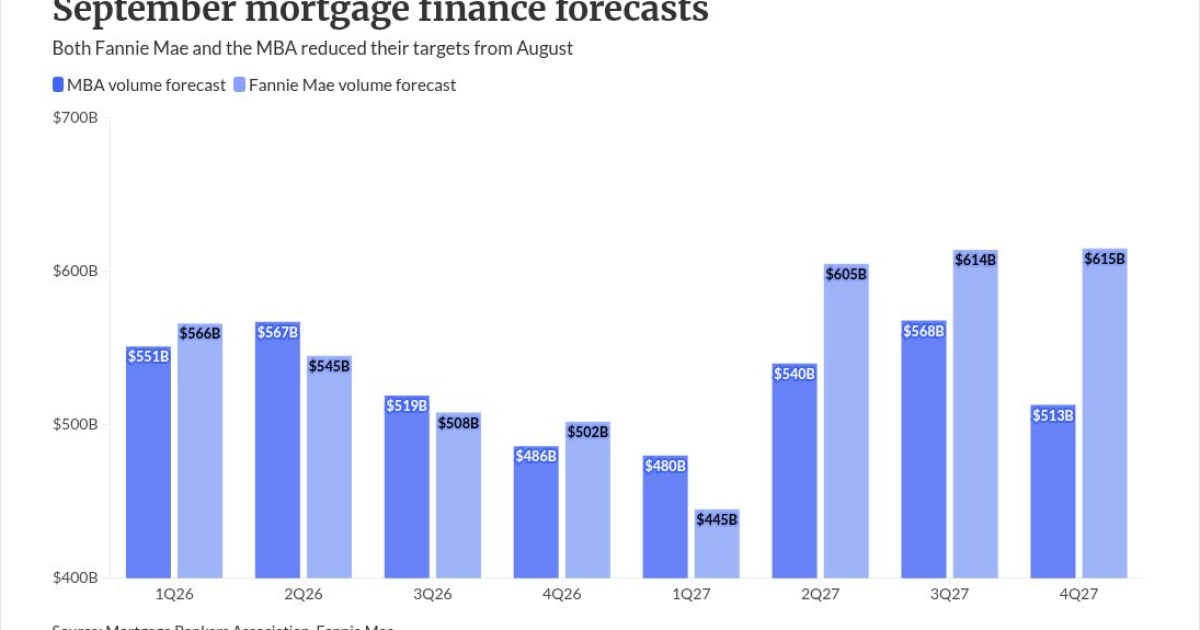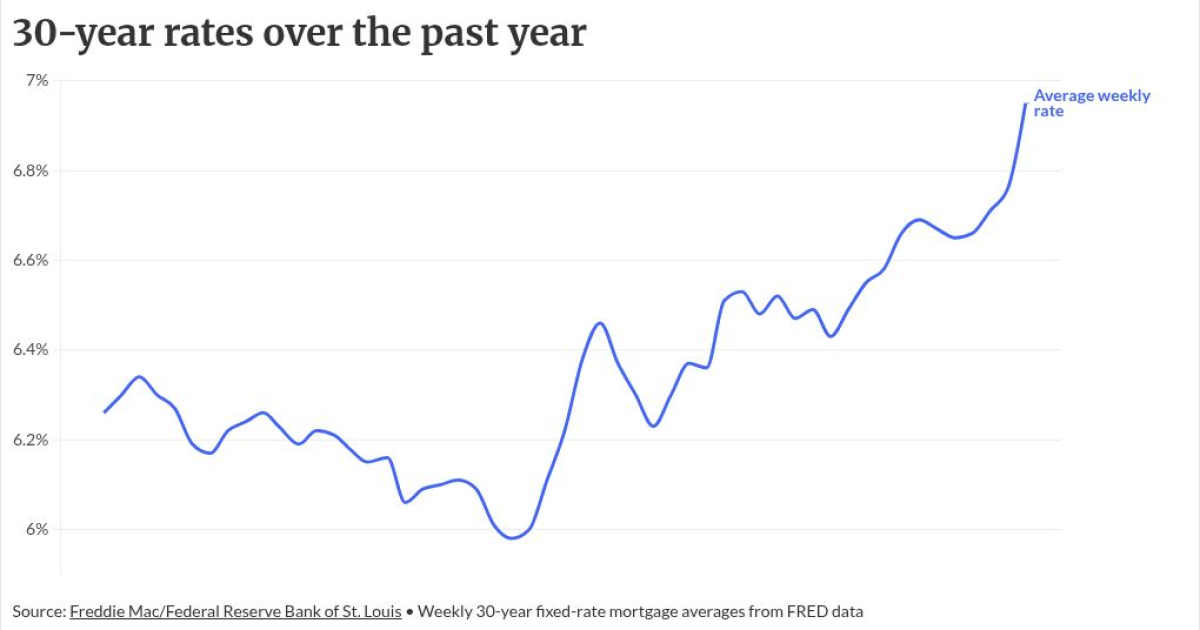
The recent
For one, some servicing valuations soared to heights not seen in years, according to Mike Carnes, managing director of the Mortgage Industry Advisory Group's MSR valuation unit.
That's because a rate hike generally can boost the prices for some mortgage servicing rights by increasing earnings on escrowed funds and reducing the potential for prepayments that cut short the life of MSR cash-flows.
The market has been "reflecting the fact that the risk of prepayments is lower," Carnes said, noting that he has seen some agency MSRs trade as high as a seven multiple recently.
That can benefit not only those who own MSRs as an investment but also lenders that can either sell the asset to raise cash or retain it to help keep customers and sell new products.
But while hikes reduce some lender customer retention and lead potential for loans without higher-than-market rates, they also increase the importance of remaining opportunities for lenders, so prepayments are still possible for some loans.
Prepayments also could pick up again.
Rates showed
In the meantime, while every entity's situation is unique, the following strategies may generally help different players in the servicing market minimize risks and address new opportunities while rates are high.
Strategies for banks, IMBs and investors
"One strategy might be for a bank to sell mortgage servicing rights that are out of footprint," Carnes suggested, noting that this way they can raise cash by selling assets with less customer value to a particular institution.
All types of servicers and MSR investors additionally should remember that while prepayment risk may get lower with higher rates, there could be some additional pressure on loan performance.
"Many people aren't able to turn around and refinance out their first mortgage to clean up their balance sheet, so you do have the delinquencies tend to go up a little bit," said Jerry McCoy, executive vice president of performance management at LoanCare.
Because it's been a long time since the industry has been used to dealing with distress in a broad-based way, some companies could underestimate it or not show enough attention to
Fed rate policy is designed to adjust for this distress if it becomes broad based and affects the U.S. economy, but borrower credit typically has to be managed in the meantime.
One mitigating factor is that policymakers view the employment outlook as strong despite the inflationary pressures in the economy that they sought to control with their rate hike.
This may mitigate the impact on borrowers, but experts still advise being ready to handle a relative increase to at least more normalized prepandemic levels, particularly for government loans.
That might require some additional caution when it comes to selling a new product to borrowers. In some cases such a move may actually help a struggling consumer contending with inflation but servicers need to work with the borrowers to carefully consider all the tradeoffs involved.
"A borrower that comes to the marketplace for a second lien may be over-obligated with credit cards and need consolidation at a lower rate," said Ralph Armenta, president of Incenter's Lending-in-a-Box.
This could be advantageous if there isn't anticipation that it would be better to save the opportunity to tap into home equity further down the road, he said. Given the proliferation of product options in this space, there are many to explore for the right match.
Banks are more likely to have a broader range of products to sell to existing mortgage customers they service that go far beyond home equity options, which can give those financial institutions some advantages when single-family home loan-related leads dry up.
But there are growing options for monoline IMBs to cultivate new sources of business or income without investing in establishing new product lines. Legally-vetted
Incenter's Lending-in-a-Box unit is working on providing fulfillment in situations where mortgage bankers want to earn a fee for student loan sales to end investors, and also plans to expand into other types of consumer debt options, Armenta said.