Early market reactions to the
Resolving the conflict swiftly and handling it in such a way that it increases security in the region could have some positive ramifications for housing, but it's more likely to lead to challenging conditions if it lengthens, particularly if it creates protracted difficulties for trade.
Shipping was
"One possible outcome is continued expansion of war, in which case the oil increase will probably be more sustained," said Doug Duncan, former chief economist at Fannie Mae, in an interview Monday morning.
This would likely add to upward pressure on rates.
Alternatively, a rapid conclusion to the conflict could cause risk premiums to come down, resulting in a reduction in cost pressures, Duncan said.
Defense expenditures will flow through to the U.S. gross domestic product, which could strengthen the economy, potentially contributing to housing demand, he added. That also could make it less likely that the economy will be seen as needing stimulus from rate policy, although the Trump administration has been pushing for this.
What's happened to rates so far
Meanwhile,
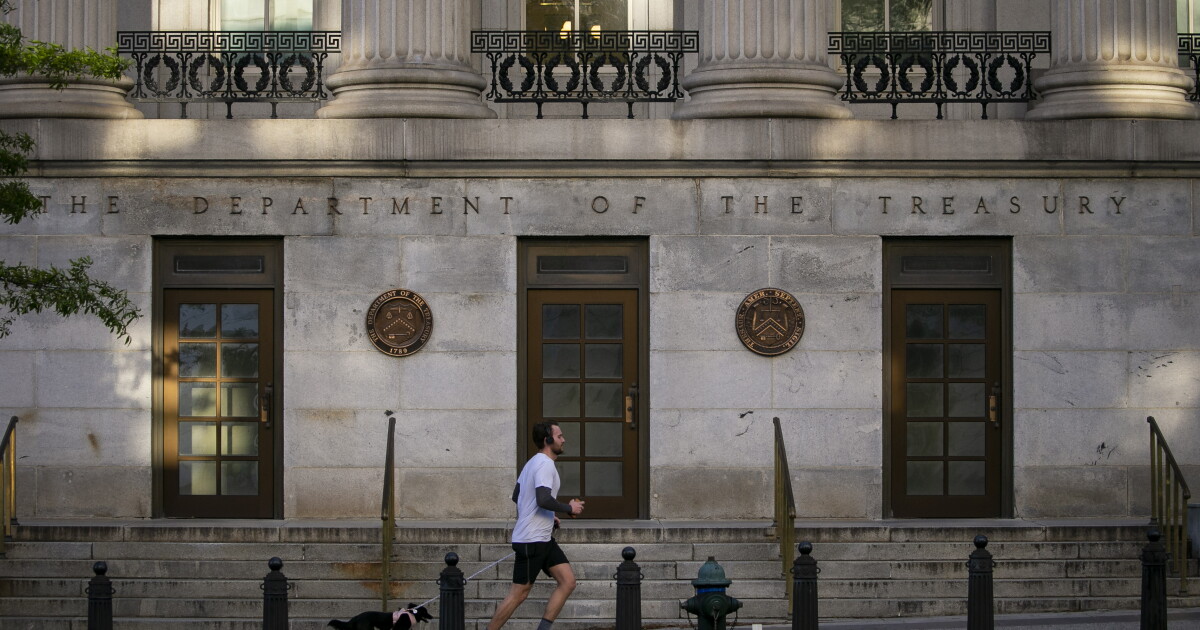
"The 10-year Treasury bumped up a bit," said Duncan.
Broader factors beyond the war could be a driver.
"Tariff debates may be having an impact on other countries' willingness to move to Treasuries in a more traditional flight-to-quality move," Duncan said.
Multiple sudden policy announcements like the tariff debates have been "at risk of spiking volatility" recently, said Erica Adelberg, a mortgage-backed securities analyst for the Americas at Bloomberg Intelligence.
US involvement in the Middle East can drive rates lower to the extent that it makes investors perceive Treasury bonds as safe, but the upward pressure on oil prices from regional disruption can add inflationary pressures that push financing costs higher.
"Lately, inflation sensitivity has dominated, with the 10-year Treasury yield back above 4%, though that dynamic could shift quickly as events unfold," Sam Williamson, senior economist at First American, said in a midday email.
If the conflict does not meaningfully disrupt current housing trends like a three-year low in mortgage rates and improved affordability these "should help support a firmer spring market despite short-term volatility," said Williamson.
Government-related MBS markets have some exposure to foreign investors in markets like Asia but there was no immediate sense these were impacted. Some outsourced, artificial intelligence-driven operations used in the mortgage industry are based in or near the Middle East and could see impacts such as the UAE Amazon outage.
Implications for building materials
Several types of building materials like
"If shippers are required to go around the south of Africa, it substantially increases costs," Duncan said.
However, the impact on U.S. intervention in the strait when it comes to supply chains has been mixed, with periods where its involvement has improved trade conditions, he said. Actions defending ships against piracy has been effective at times, said Duncan.
"As economists always say, 'it depends," he added. "It's hard to say what the impact is until we know how long this is going to last."