
- Key Insight: The reason a recent drop in critical mortgage defects is actually cause for concern.
- Expert Quote: "Given this quarter's findings, however, appraisal will certainly be an area to watch next quarter" — Nick Volpe, Executive Vice President, Aces Quality Management Overview bullets generated by AI with editorial review.
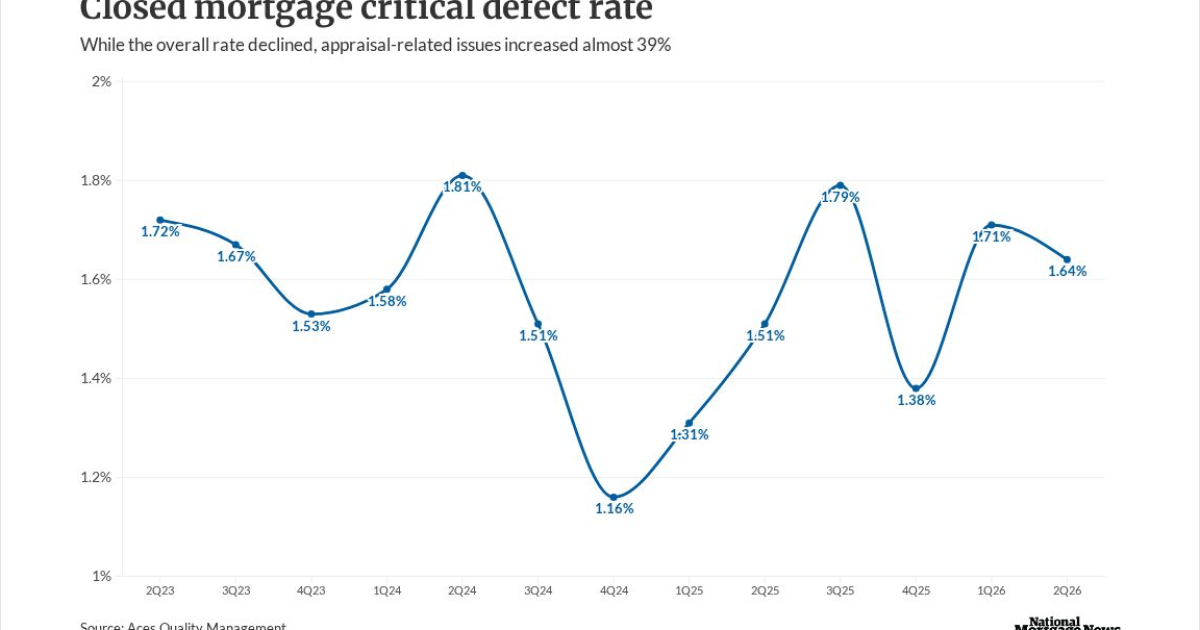
Even as mortgage file defect rates improved on a quarter-to-quarter basis, the increase in appraisal-related problems is the canary in the coal mine for stress in a difficult housing market, Aces Quality Management warned.
The critical defect rate fell to 1.64% from 1.71%
While defects related to borrower income and employment returned to the most cited problem, increasing to 23.18% in the second quarter report, appraisal-related problems rose by 38.5% to a 4.64% share, the highest since the second quarter of 2025.
Since Jan. 28, the mortgage industry has been in what was called the broad production period, as lenders could submit appraisals using either the UAD 2.6 or UAD 3.6 format to Fannie Mae and Freddie Mac. During this time, originators and appraisers were to use the opportunity to incorporate the new format into their workflows.
Absent a waiver,
When asked if the switchover could be responsible for the rise in appraisal defects, at this point Aces has not seen any evidence in its data that the preparations for the change affected the category during the second quarter, Nick Volpe, executive vice president, said in response to an inquiry.
"Approximately 60% of the exceptions were issues on the Form 1033 (post-closing appraisal review form)," Volpe explained. "These issues included: subject property eligibility, description of the subject property, Collateral Underwriter messaging, completion/inspection, and appraisal conditions that were unacceptable to Fannie Mae. None of those would lead us to believe that UAD 3.6 impacted the findings."
Right now, it is hard for Volpe to comment on any future impact the switch could have on file quality.
"Given this quarter's findings, however, appraisal will certainly be an area to watch next quarter, and it will be interesting to see if and how any of those manifest," he said. There isn't a defect category specifically for UAD 3.6, so any observations would be speculative."
In the press release, Volpe pointed out that if appraisal defects hold in the 4% to 5% range in the third quarter data (since these are post-closing file reviews, the loans were originated in previous periods), "we'll want to dig into what's driving it."
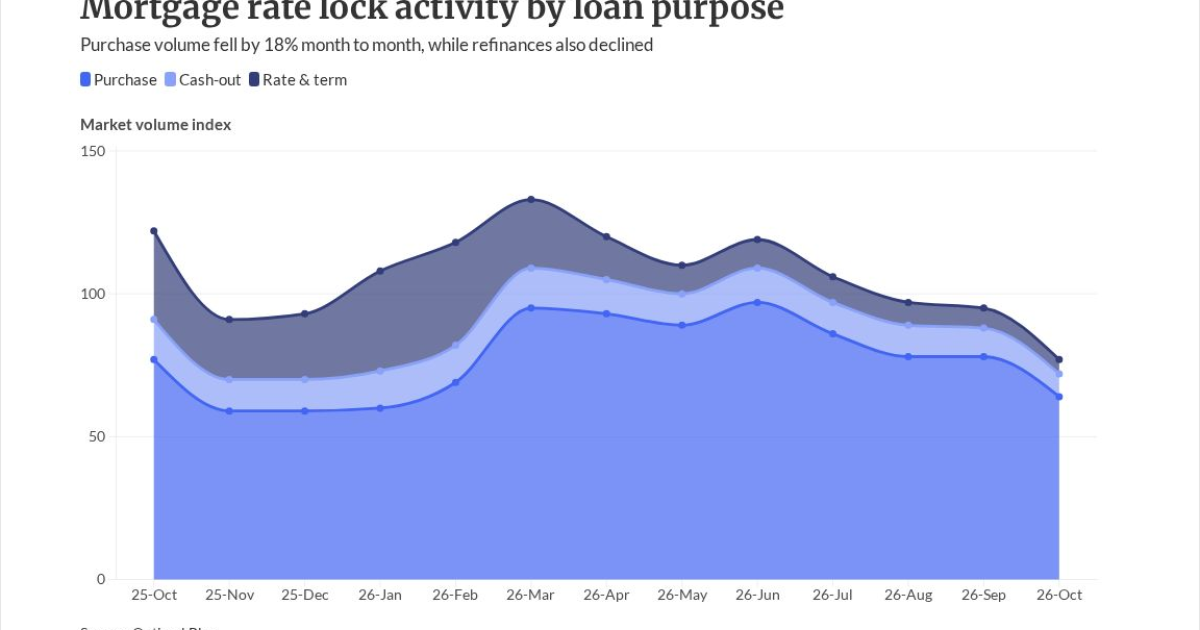
Refinances are another potential hot spot, precisely because the volume declined. The file which did come through and were reviewed "still carried a disproportionate share of defects," he said. "With rates higher in the third quarter, refinance volume may keep falling, and that's exactly when lenders need to stay disciplined on the files that do come through."
Aces noted borrower and mortgage eligibility file issues rose a whopping 60.4% versus the first quarter to an 11.92% share overall, rising to third place.
Meanwhile legal/regulatory/compliance defects fell by 17% to 21.52%.
Aces categorizes mortgage file defects using the Fannie Mae taxonomy.
Other categories with significant findings include assets, at 11.59%, an increase of 11.3% from the prior quarter. But Aces found fewer liability-related defects, at 9.72% and credit at 4.97%.