
- Key Insight: The reasons California regulators are forcing mortgage servicers to report disaster insurance disbursements.
- Supporting Data: More than 160 consumer complaints lodged against financial institutions since early 2025.
- Forward Look: Watch for the state's Oct. 29 deadline for financial institutions to submit reports.Overview bullets generated by AI with editorial review.
California regulators are ordering financial institutions to provide reports about their disbursements of insurance monies owed to homeowners, as they investigate whether servicers are in compliance with orders issued following 2025's wildfire disasters.
In a directive issued last week, leaders of the state's Business and Consumer Services Agency and the Department of Financial Protection and Innovation mandated the new reports after numerous consumer complaints of delays and other issues
The state has set an Oct. 29 deadline for institutions to complete and deliver their first submissions, a BCSA spokesperson confirmed.
The move underscores the line being drawn by the Golden State to ensure banks and mortgage servicers protect borrower interests following disasters. The capabilities to obtain the needed information and comply with reporting requirements is already in the hands of most businesses, according to Donna Schmidt, managing director of DLS Servicing.
"As long as you have that technology available to be able to communicate back and forth to a borrower, to get the latest information — and you can zoom in based on ZIP code and have the ability to search your portfolio, this shouldn't be difficult for a servicer of any size," she said.
Instead, the heavier lift may fall on insurance companies tasked with sending payments to affected parties in a timely manner. Before damage claims can be released, insurers need verification of repairs, a process that poses challenges when a disaster affects major cities, some leaders say.
"With the large number of claims in the same geographic area, getting the repairs done is probably challenging. Therefore, getting the claim payments could be delayed," said InsureMac CEO Gretchan Francis in a statement sent to National Mortgage News.
Late payments are not necessarily the fault of lenders or servicers, she added. "They can't just disburse the claim funds without verifying that the repairs are made."
What the requirement entails
Lenders and servicers must include information that spells out the size and distribution of insurance proceeds received from carriers, which should have been received by wildfire victims who lost property in the catastrophe.
The financial institutions' reports also need to provide written explanations to both California agencies, detailing whether the funds were fully disbursed to survivors, the length of time it took for them to arrive and reasons for any delays or withholding.
Consumers have lodged more than 160 complaints since early 2025, when the devastating infernos rolled through some of the most heavily populated areas of Southern California, with homeowner victims claiming banks were not providing assistance as required.
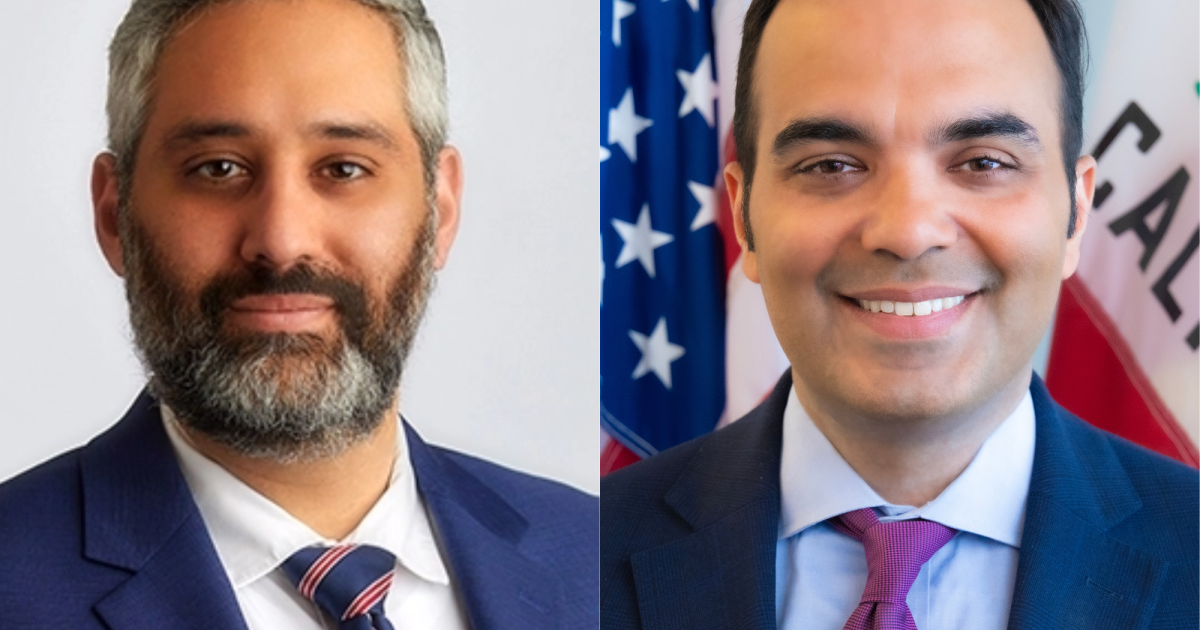
"It's unacceptable that after running through a gauntlet of paperwork to file insurance claims, some wildfire survivors still have not gotten access to the funds they need to rebuild," said California BCSA
"California is committed to ensuring that all Los Angeles fire survivors receive fair and timely insurance payouts, and we will hold firms accountable for failures that impede survivors' access to the money they are owed," Chopra continued.
New technologies, such as drone inspections, are being used to help expedite the process of verifying damages and disbursing funds, Schmidt said. The end result of the new California law should ultimately benefit servicers and their clients.
"I think as a mortgage servicer, you're going to welcome this because the chances of you being paid timely have dramatically increased now," Schmidt continued.
The California regulatory environment
The new rule is the latest example of a state stepping up regulation over the past two years as the federal government loosened consumer-protection policies at the start of the second Trump administration.
Even prior to the new directive, California had already taken the lead on both enforcement and the
"We will not hesitate to take strong action against an institution that has needlessly delayed payments or broken our laws, and this data is an additional useful tool. It is critical that as homeowners and families continue to rebuild and recover, lenders do not stand in their way," said DFPI Commissioner KC Mohseni in a press release.
More than one and a half years after the wildfires, lawmakers representing local constituents continue to introduce legislation to assist victims from the repercussions of natural disasters. In a related development this summer, Gov. Gavin Newsom signed into law a bill that mandates financial institutions pay interest on escrow funds while survivors await their full insurance disbursement.
A separate bill introduced earlier this year was also passed and approved by the governor, ensuring a