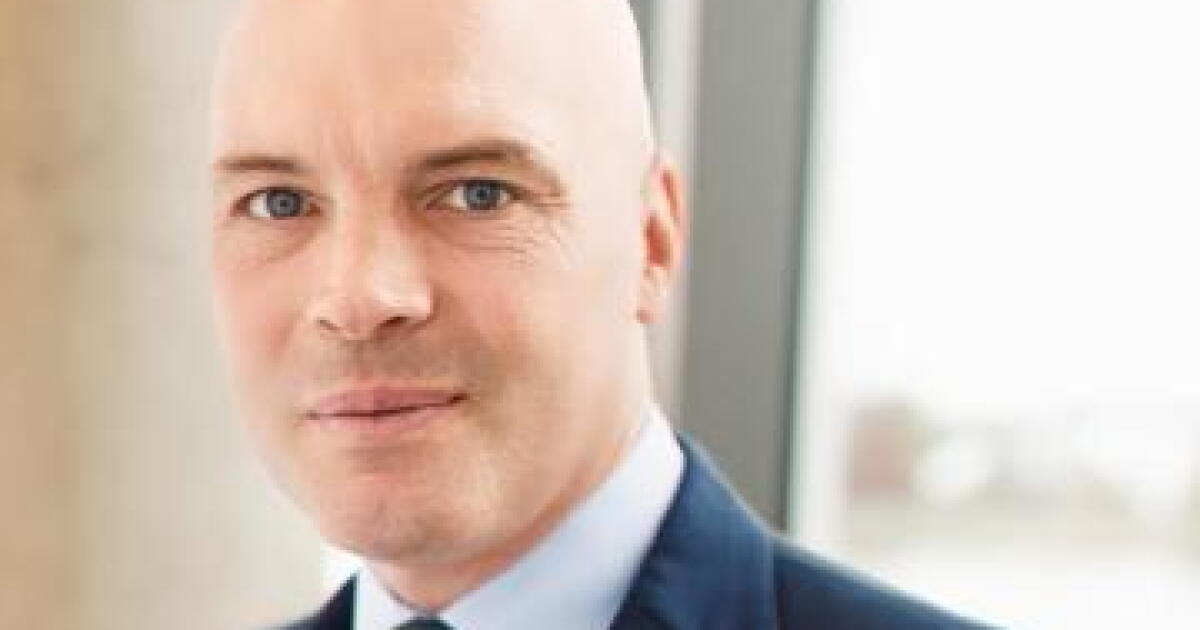


- Key insight: The September Personal Consumer Expenditure inflation rate came in at 3.6%, a number that in itself is unlikely to shape the Fed's next policy decision but it adds another key data point for the central bank to consider.
- Expert quote: "The information we receive over the coming period, will help us determine where we want policy to be, and at every turn, good or bad, our job is to get monetary policy right, and that's exactly what we're doing." — Federal Reserve Chair Kevin Warsh
The latest print from the Federal Reserve's preferred measure of inflation indicates the central bank still has work to do on price stability.
The personal consumption expenditures, or PCE, index from the Bureau of Economic Analysis was released Thursday morning and shows that prices rose by 0.5% month over month and 3.6% year over year in September.
Both marks were above the August PCE readings of 0.3% on the month and 3.4% on the year. Core inflation in September, which factors out food and energy prices, rose 3.1% — well above the Fed's 2% target. The report showed that gasoline and other energy goods represented the largest portion of increased monthly consumer spending, while motor vehicles and parts showed the biggest declines in monthly spending in September.
The results were largely expected after two previous inflation readings — the
The September report also mirrors consensus market forecasts, which predicted an annualized reading of 3.7% overall inflation and 3.1% core.
The latest PCE reading comes one day after the Federal Open Market Committee
In addition to arriving too late to influence the FOMC's October decision, the reading also likely arrives too early to have much bearing on the committee's next interest rate decision in December.
Still, it adds another data point for the Fed to consider as it tracks the development of the inflation situation and weighs its next option.
"The information we receive over the coming period, will help us determine where we want policy to be, and at every turn, good or bad, our job is to get monetary policy right, and that's exactly what we're doing," Fed Chair Kevin Warsh said during his post-FOMC press conference on Wednesday.
Read more:
Fed will drop one interest rate vote next year; two in 2028 UMB says deal gives it access to wealth fleeing California CFPB flunks cybersecurity audit amid staff cuts: OIG report BofA adds Wisconsin to branch map, with more states to come
Before the next FOMC meeting, scheduled for December 9 and 10, the Fed is set to receive employment reports from October and November as well as a full slate of inflation readings — CPI, PPI and PCE — from October.
The Fed will also have a fuller picture of how the overall economy is performing. The BLS's advanced estimate for third quarter gross domestic product growth was also released on Thursday morning, showing a 3.4% annualized growth rate.
During his press conference, Warsh said the committee goal is to keep inflation in check without dampening the strong growth of the overall economy.
"The goal, in my view … isn't to throw sand in the gears of the economy and throw people out of work. I don't think we have to do that," Warsh said, noting that the Fed is merely looking to tighten monetary policy enough to ensure it is not overly accommodative. "[Conditions have] tightened a bit since we met last time. That isn't something that we're uncomfortable with. That tells me the policy is working, and I think we can do that and make the economy more durable, have it last longer, and still achieve stable prices."