
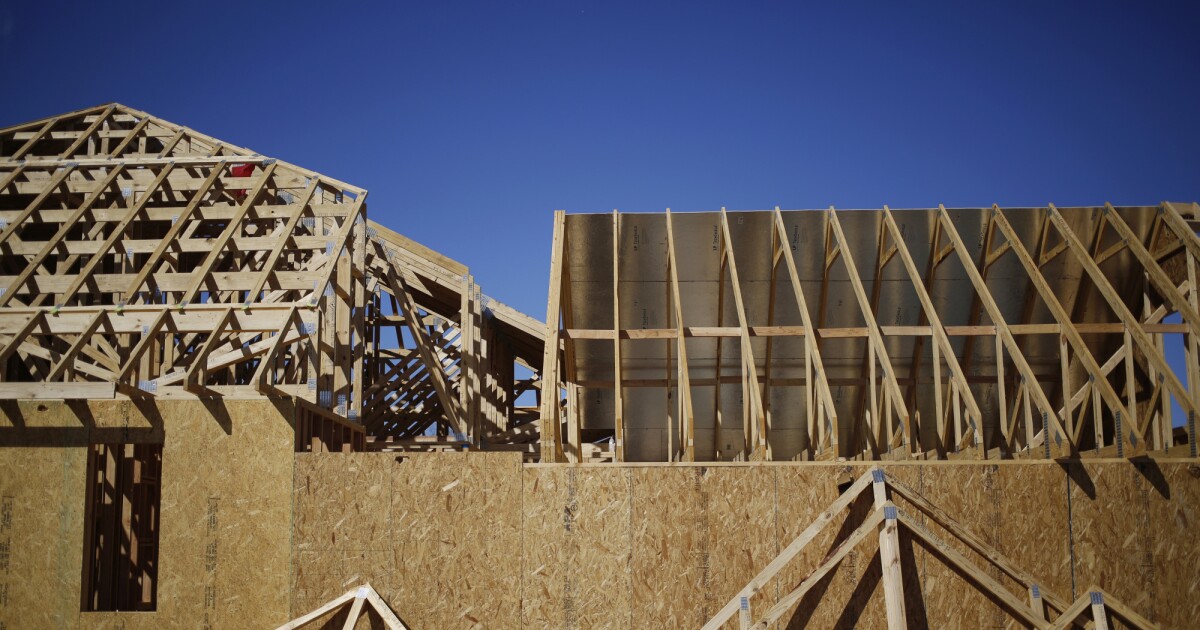
A new federal executive order from President Trump related to "removing regulatory barriers to home construction" aims to increase affordable inventory through broad deregulation.
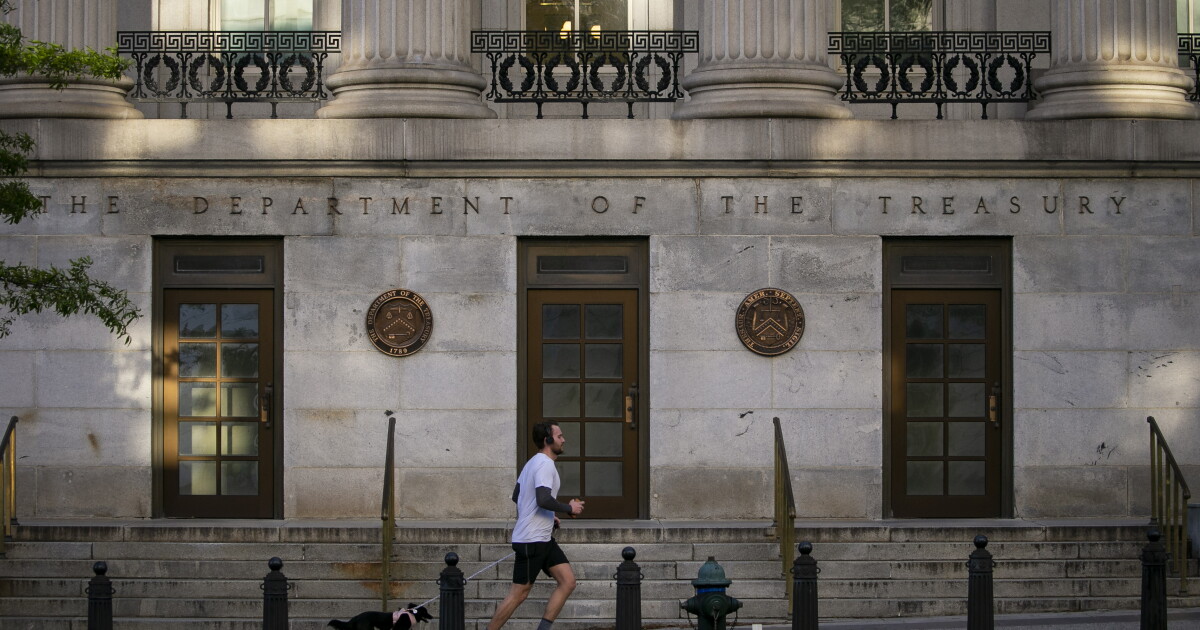
The Federal Housing Finance Agency and the Department of Housing and Urban Development are among several public entities the order directs to take a series of steps to that end.
This order, which is paired with
The two executive orders "get at the root of the housing affordability problem by eliminating obstacles to build more homes and providing better access to financing," Bill Owens, chairman of the National Association of Home Builders, said in a statement.
Here's what's in the executive order:
A call to loosen chattel manufactured housing restrictions
Among the construction order's many high-level items are calls for the Federal Housing Finance Agency to incentivize low-balance mortgages and revive efforts to target barriers to lending on chattel homes.
Chattel loans on manufactured housing have been tested in the secondary market the FHFA oversees but they have not been fully authorized.
The new order could revive debates between those who say chattel MH should be restricted because it is not real estate-secured like a typical mortgage, and those that say it should be part of the housing mission at the government-related loan buyers because of the units' affordability.
Allowing chattel lending could complement a proposed section of
HUD and other public entities
The construction order also calls for HUD to work with President Trump's assistant for domestic policy on drawing up "regulatory best practices for state and local governments to promote housing construction."
It furthermore directs HUD to align Opportunity Zone incentives with single-family home development and New Markets Tax Credit programs.
"Ending burdensome regulations and improving mortgage affordability supports increased housing supply," HUD Secretary Scott Turner said in a statement.
The construction order additionally calls upon a broader range of the federal authorities to loosen their rules, including HUD, Army, transportation, agriculture, energy, historic preservation and environmental officials.
HUD estimated that regulatory costs can add $94,000 to a new single-family home's price and added that "green energy mandates in building codes can add more than $30,000 to the cost of construction."
Reaction to the executive order
Green advocates such as the Environmental Law Institute have argued that policymakers should look beyond immediate costs when deregulating to prevent subsequent additional expenses from developments such as
Bill Pulte, director of the Federal Housing Finance Agency, told Fox Business News that the executive orders, in addition to
However, housing trade groups identify affordable inventory as the greater challenge.
"America's housing affordability crisis is fundamentally a supply problem, and solving it requires removing the barriers that make it harder and more expensive to build homes," said Shannon McGahn,chief advocacy officer at the National Association of Realtors, in a statement.
Pulte acknowledged that federal deregulation faces some limits in regard to supply side chaĺlenges when asked about the fact that the barriers many homebuilders face are not at the federal level.
"We can't solve all these local and state issues, particularly with building codes, but what we can do is create an environment where it's very hard for them not to succeed," he said.