The government-sponsored enterprises appear increasingly likely to face a lengthy capital reform process, but the former CEO of Freddie Mac said he sees a faster way forward.
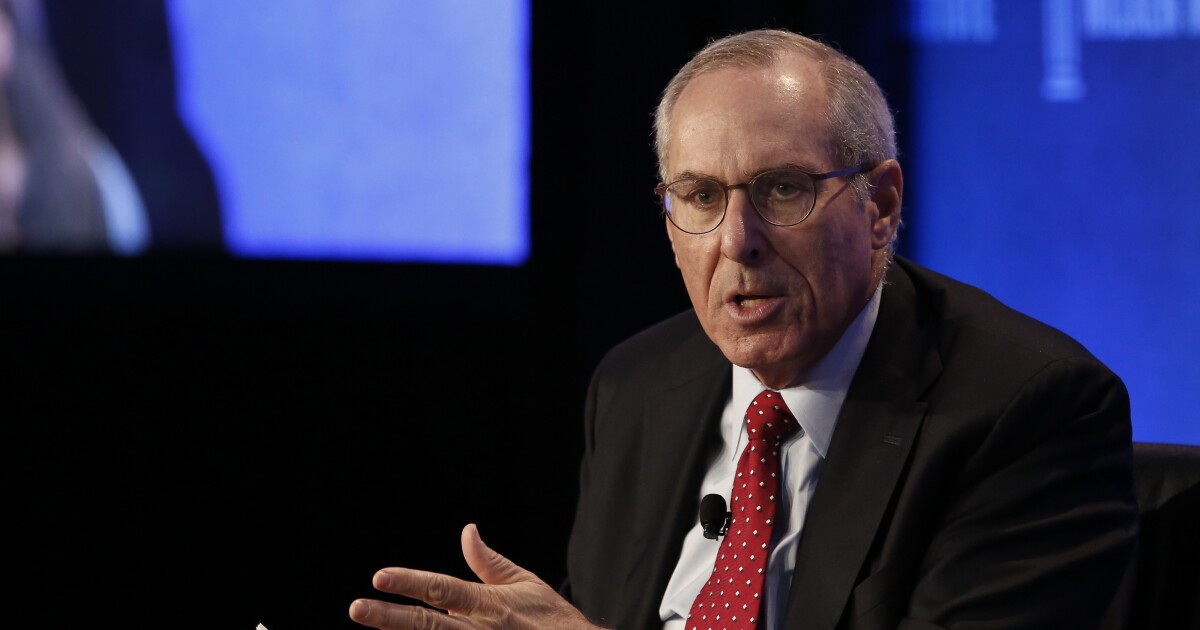
"Although developing such a simplified and reformed capital rule is often seen as a challenging and time-consuming regulatory task, it might well be relatively straightforward," Donald Layton, Freddie Mac's former CEO, said in
The most direct path involves lowering the minimum standards and using
Layton gave the following reasons for why he considers this is the fastest path for the ECRF reform:
- President Trump issued
a recent executive order that calls for a laundry list of actions aimed atopening the mortgage credit box , which Layton said "implicitly calls for" a reduction in the GSEs' minimum capital standards.
- The current minimum standards align with
what advocates for a smaller government role in the mortgage market would prefer and those advocates would sooner set standards too high than too low.
- Any change to the capital framework will face friction. Lowering the minimum would likely draw opposition from small-government and taxpayer advocates, but it may encounter less resistance from home sellers, lenders and builders than a higher minimum would.
- Basing changes on the 2018 proposal rather than starting from scratch will help policymakers avoid more burdensome Administrative Procedures act requirements. That proposal's standards were "not too high, distorting, or complex," according to Layton.
Other views and factors
While lower standards appear more aligned with some current Trump administration goals around decreasing loan costs and increasing access, higher bank-like capital could do more to protect their finances and be more attractive to certain investors.
There has been debate over whether it is more appropriate to base the GSEs' capital levels on bank or mortgage insurer standards. The enterprises guarantee the mortgages they buy and securitize while selling off some of the related risk to private investors.
The CRT question
Former Federal Housing Finance Agency Director Mark Calabria, who served in that position during President Trump's first term and has taken other roles during his second, changed the GSEs' capital standards in a manner that made these risk-sharing vehicles less attractive, constraining their use. Subsequent FHFA Director Sandra Thompson later reversed the change.
Layton said he sees lingering concerns from this period, noting in his report that "the GSEs are today retaining more concentrated credit risk than they would if the ERCF were less distorting."
Other proponents like
Additional opponents like
Current FHFA Director Bill Pulte