

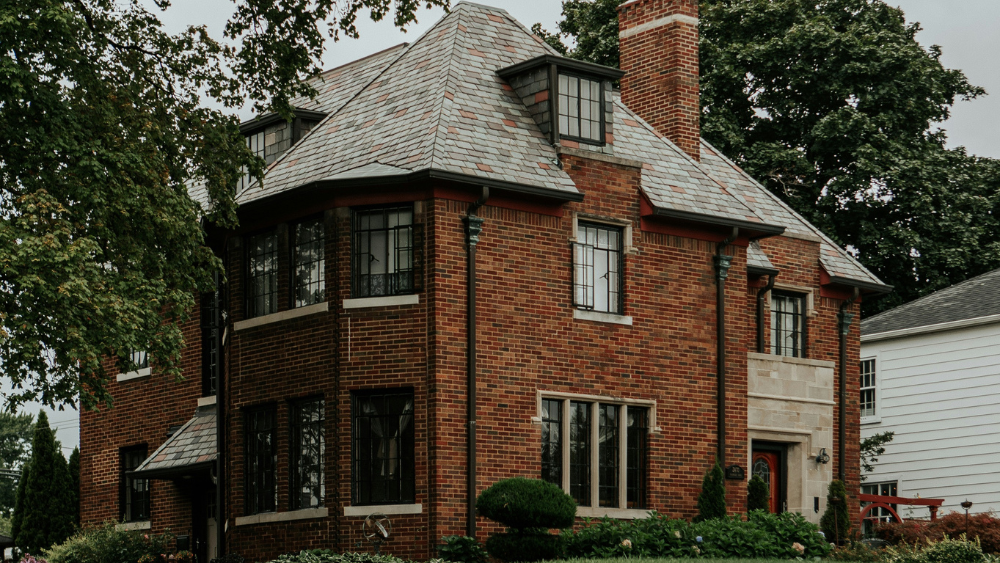
If you’re researching bridge loans in Detroit, maybe selling your home is taking longer than you anticipated, or you’re looking for a more flexible option. Trying to time your sale can be difficult, especially if you’re trying to move from a historic or starter home in the city to one in a nearby suburban market. A bridge loan lets you access your equity, making it possible to buy your new home first without rushing your sale. However, you might have more options than you think. Depending on your priorities, there may be other ways to access your equity, strengthen your offer, and avoid the stress of coordinating two transactions at once. We’ll explain how bridge loans in Detroit work, what yours might look like, and how modern Buy Before You Sell programs can help you make your next move with more certainty.
A bridge loan is essentially like an actual bridge that lets you cross from your old home to your new one without falling into time-consuming pitfalls. You may also notice it called something slightly different, such as: To explain further, it uses a temporary loan so you can tap into the equity of your current home to use as a down payment on your next one. After your home sells, the proceeds are used to pay off the bridge loan entirely. Since contingencies can delay the process of securing your ideal home, a major plus is that you don’t have to rely on your current home selling first, so your offer won’t have those contingencies attached. However, since bridge loans are meant to be a temporary financing solution, lenders generally charge higher interest rates to offset the additional risk. For many Detroit buyers, that extra cost is worth it to avoid the disruption of moving twice, renting a temporary place, or panic-selling their current home. Maybe you’ve found the right home in a revitalized neighborhood like Midtown or Corktown but you haven’t sold your current home yet. In a situation like this, you could use the equity from your existing home to cover the down payment and closing costs on your new purchase. Usually, the lender handling your new mortgage will also offer a bridge loan option. They usually require that your current home be actively listed for sale and will typically extend the bridge loan for six months to one year. To qualify for a bridge loan in Detroit, most lenders require: Your lender may need to calculate your debt-to-income (DTI) ratio, which can include your old mortgage payment, your new mortgage payment, and any interest-only payments on the bridge loan. If your current home is already under contract and the buyer has final loan approval, your lender might only count your new mortgage payment. In the case that the sale for your old home is delayed, you’ll be covered financially. Detroit bridge loans can be structured in various ways, so the example calculator below can help you visualize what a bridge financing solution might look like. Adjust the values to see an estimated monthly interest payment, available proceeds, and the balloon payment due when the loan is repaid. For a long time, bridge loans were pretty much your only option if you wanted to tap into your home equity before you sold. Today’s market offers a lot more. In addition to traditional bridge financing, some companies now offer modern Buy Before You Sell programs designed with the challenges of simultaneous buying and selling in mind. These programs can help homeowners: In Detroit, these newer programs can be especially helpful if you’d prefer to move first and prepare an older home for sale after you’ve already settled into your next property.What is a bridge loan, in simple words?
How do bridge loans work in Detroit?
What does a bridge loan look like?
Is a bridge loan the best way to buy before you sell in Detroit?


