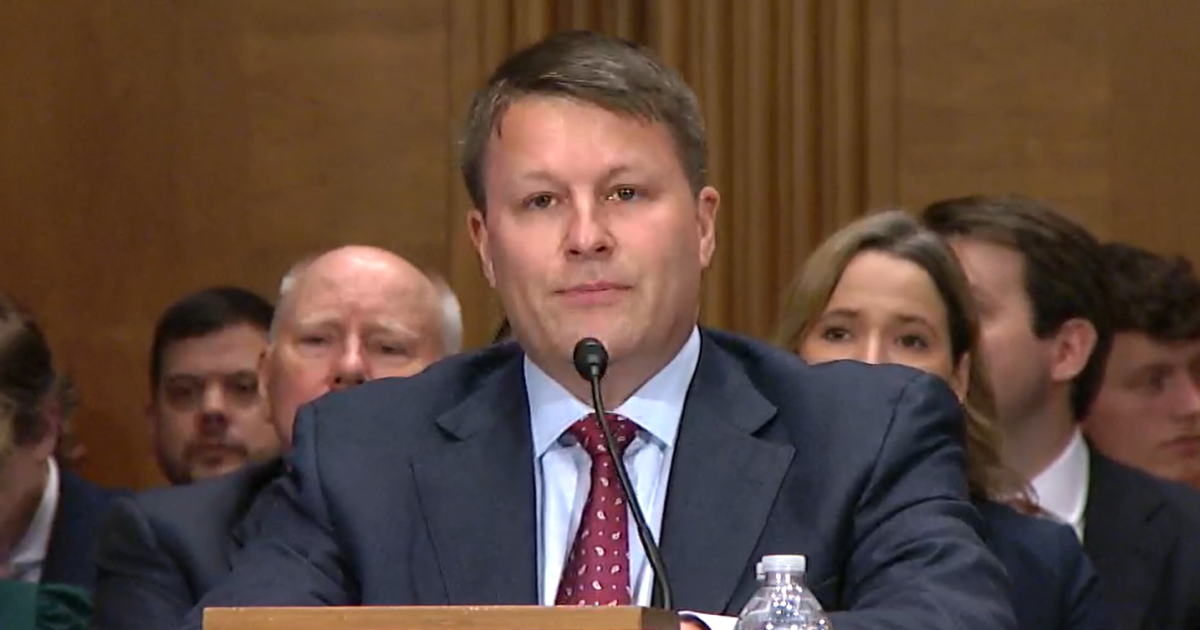
- Key insight: Brian Johnson, President Donald Trump's pick to lead the Consumer Financial Protection Bureau, has been criticized by Senate Democrats for his close links to regulated firms.
- Forward look: Johnson will likely be approved by the full Senate on a party-line vote.
- What's at stake: Johnson will lead the agency at a time when the Trump administration is making a concerted effort to downsize and defang the agency.
WASHINGTON — Brian Johnson, a former Capital One executive, has passed the Senate Banking Committee to become director of the Consumer Financial Protection Bureau in a party-line vote.
His
Johnson, as head of the CFPB, would lead the bureau as the Trump administration continues to severely reduce its staff and functions. Until
The CFPB, a longtime target of Republicans, has
All Democrats
Read more:
Bitcoin's Overton window of opportunity is closing Maybe Wells Fargo's unions need a blockchain Iran built its own financial system, and has created a cyberfront in the war Fed meetings are about to get really awkward
"Financial titans, massive corporations, and giant banks are smiling as they rake in the dough," she said ahead of the committee vote. "The CFPB under President Trump is one more example of Trump's policy agenda: higher costs for consumers and corrupt giveaways to wealthy insiders."
This week and the lame-duck session is one of lawmakers' last chances to pass nominations through committees and the full Senate before the midterms. The Senate Banking Committee also advanced Abby Warren to the Department of Commerce and Jeffrey Ledbetter and Irving Dennis to the Department of Housing and Urban Development in party-line votes.
The committee unanimously voted to reauthorize the Terrorism Risk Insurance Act, a private-public federal insurance program that protects businesses in case of a terror attack. The program would lapse in 2027.
"The current program works well and runs through the end of 2027, but businesses do not plan one year at a time," Senate Banking Committee Chairman Tim Scott, R-S.C., said in his opening remarks. "Insurance contracts, construction projects, commercial loans, and major investments are planned years in advance. Congress should provide that same certainty by acting now."