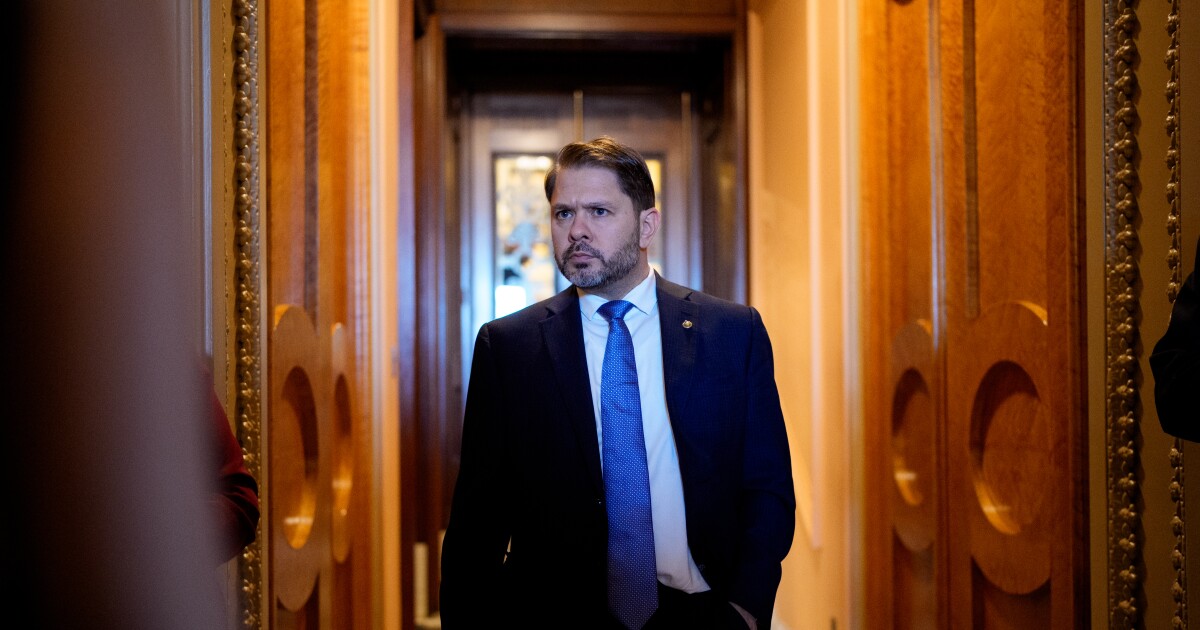
Arizona Senator Ruben Gallego wants to use an employment-based visa program to draw more foreign investment into the US housing market, the latest proposal from Washington aimed at easing an affordability crunch caused by years of underbuilding and higher mortgage rates.
Gallego – a Democrat whose travel to key states this year spurred speculation of a 2028 presidential run – on Thursday introduced legislation to amend the EB-5 immigrant investor visa program in order to funnel more money into the construction and rehabilitation of homes.
"By steering more EB-5 investment towards housing, we can boost the housing supply, bring down costs, and create good jobs for American workers," Gallego, 46, said in an emailed statement.
READ MORE:
Under the EB-5 program, foreign nationals can obtain lawful permanent resident status by investing in a new commercial enterprise in the US and creating at least 10 full-time jobs. The minimum investment is $1.05 million, or $800,000 if the funds are directed toward an infrastructure project or a "targeted employment area" – typically rural areas and regions with high unemployment.
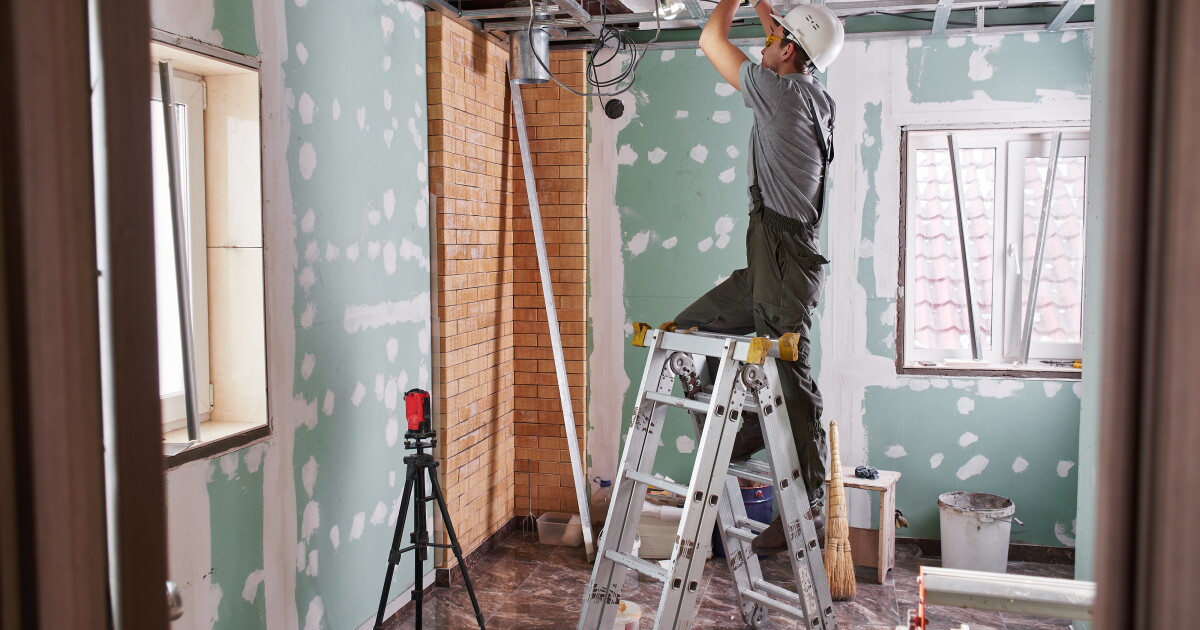
Gallego's bill would extend the lower $800,000 threshold to investment in projects dedicated to the "production, preservation, or rehabilitation of rental housing or housing available for purchase only for use as a principal residence." It would also expedite processing for applications linked to affordable housing.
Voter Concerns
Addressing affordability has emerged as a key political challenge ahead of the 2026 midterm elections. A
While it's not clear if the Republican-controlled Senate will take up Gallego's proposal, it won early support from some housing-industry trade organizations and advocacy groups for EB-5 investors.
"This legislation gives builders, nonprofits and local partners the tools they need to bring projects online faster and at lower cost," said
READ MORE:
By law, the EB-5 category is limited to about 7% of the employment-based green cards awarded annually, subject to a per-country ceiling. Nearly 12,000 people received conditional permanent resident status under the program in fiscal year 2023.