Almost one in five (19%) UK adults have used a credit card or personal loan to fund private healthcare, The Exeter reveals.
The Exeter’s Consumer Health and Finance Tracker data points to a growing number of people taking on debt to cover healthcare costs they cannot meet from savings alone, as demand on NHS services remains high.
Of those who have used private healthcare in the last six months, 40% paid from their own income or savings, 24% paid through an insurance policy and 19% used a credit card or personal loan.
The data shows 13% of 25 to 34-year-olds having taken out a loan to cover healthcare costs compared to just 3% of those aged 55 and over.
Men are also more likely to borrow than women, with 23% using credit cards or loans versus 15% of women.
It also found 21% of UK workers save nothing each month, making it much harder to build up savings for private treatment or absorb the extra cost of monthly loan repayments.
In the last six months, 60% of 18 to 34-year-olds have used private healthcare, with many funding this through personal finances or borrowing. However, only 13% of UK workers have private health insurance in place.
The data further highlights how healthcare access is affecting people’s ability to work. In the last six months, 19% of men and 16% of women have taken time off due to illness, injury or mental health, underlining how closely health challenges and day-to-day working life are connected.
The financial pressure is having a broader impact on wellbeing as 15% of respondents say their finances have negatively affected their mental health, and 9% say the same about difficulties accessing healthcare.
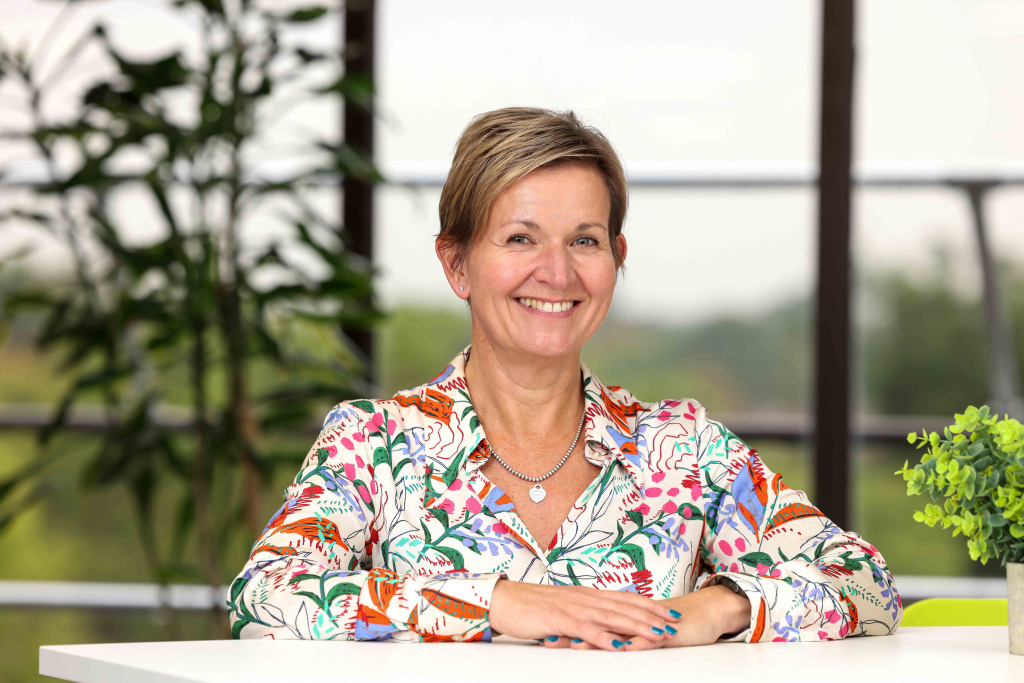
The Exeter head of healthcare distribution Karen Woodley says: “Seeing people take their health seriously and seek out private treatment when they need it is a positive thing. What’s concerning is when the cost of being proactive means taking on debt or draining savings at a time when you are already dealing with illness or injury.”
“Managing your health and managing your finances are closely linked, and the two can quickly pull in opposite directions when an unexpected health need arises without a plan in place.”