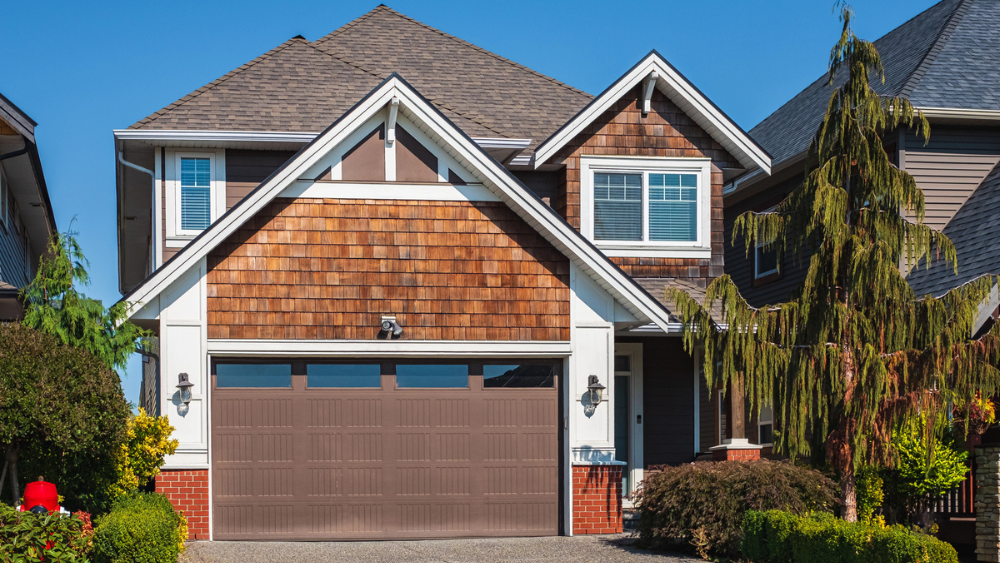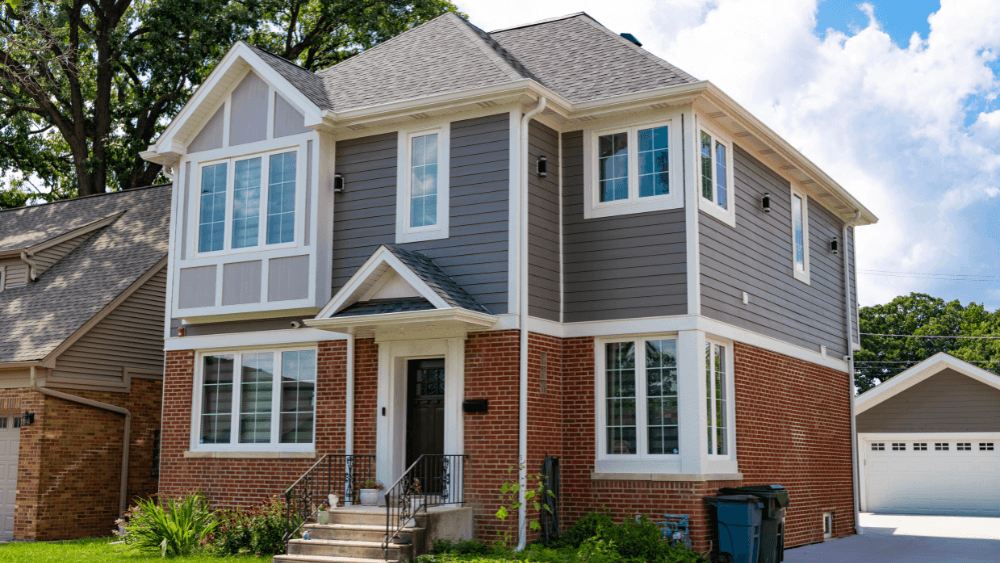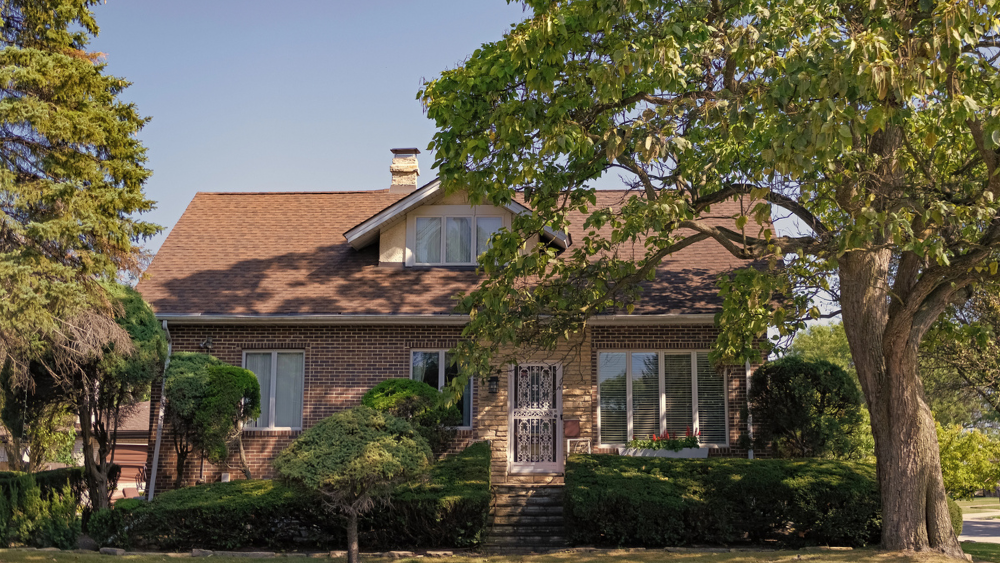
Ask a group of Realtors to explain the purpose of real estate listings, and the truest answer you’ll receive is “to get showings.” Showings lead to offers, and offers lead to sales. According to the National Association of Realtors (NAR), nearly all homebuyers use the internet during their home search. This means, to be competitive, your real estate listing needs to be magnetic — a scroll-stopper. A strong listing does more than just describe your property. It combines professional photos, compelling details, and proper pricing to help buyers picture themselves living in your home. If you’re preparing to sell, here’s how to create a real estate listing that attracts attention and gets more buyers through the door.
If there’s one area where sellers shouldn’t cut corners, it’s photography. This may seem obvious, but you might be surprised how often poor-quality listing photos are used, especially by less experienced, part-time, or discount agents. Listing photos do most of the heavy lifting when buyers first discover your home online. In fact, eye-tracking studies reveal that buyers spend about 60% of their time looking at the listing’s photos, and the other 40% viewing property specs and agent comments (roughly 20% each). Professional photographers know how to use lighting, composition, and editing techniques to showcase your home’s strengths. They also understand which rooms deserve the most attention and how to present the property in a way that appeals to buyers. “To list a property with poor pictures is like shooting yourself in the foot right out of the gate,” says Kathleen Caponigro, a top real estate agent in Pennsylvania’s Pocono Mountains region. “The photos are your hook to get people interested in the home.” Professional photos are not only your best chance to schedule showings; research suggests they significantly speed up your sale and even boost your proceeds. One study by VHT Studios, which analyzed over 200,000 real estate listings, found that professionally photographed homes sold 32% faster, reducing the average days on market (DOM) from 45 to 31. Homes listed with professional photos also sold for $3,400 to $11,200 more than homes with amateur photos, depending on price range. According to an imgix Digital Marketing Report, many potential buyers form an initial impression of a property within 20 seconds of viewing its online listing. Even the best photographer can’t overcome clutter, dirt, or deferred maintenance. Here are important steps to take before listing photos are taken: Think of your photoshoot as a job interview for your home. Preparation matters. For expert tips on how to prepare, see our post, How to Declutter to Sell a House: 10 Key Rooms and Spaces. Your real estate agent will likely write your listing description, but you’re the person who knows your home best. Caponigro says one of the most valuable things you can do before listing is create a simple feature sheet that outlines upgrades, improvements, and details buyers can’t see — or may not notice — in photos. Some examples are: You can also share information buyers might not immediately recognize during a showing — easy commuting routes, neighborhood details, nearby trails, a popular coffee shop or farmers market, or other walkability advantages. A thorough seller-provided feature sheet can also help the agent avoid generic real estate clichés such as “quaint,” “cozy,” or “cute.” Such overused words have become so common that many buyers simply tune them out. Caponigro especially dislikes one popular phrase: “To me, saying ‘This one won’t last’ is the kiss of death. I just try to avoid it.” Photos remain the foundation of most real estate listings, but video can provide additional context. Studies conducted by virtual tour service Panoee and Information Systems Research suggest that listings with more visual or interactive features receive more views and help the property sell faster than photo-only listings. Depending on your market and property type, your agent may include these enhancements: These tools can help buyers better understand your home’s layout and flow before scheduling a showing. More importantly, they help buyers envision themselves living in the home. Even the most beautiful listing can’t overcome unrealistic pricing. If buyers believe a home is overpriced, they may skip it entirely. Pricing and marketing work together. A competitive price attracts attention, while strong marketing helps buyers recognize the home’s value. In fact, according to a recent nationwide HomeLight survey, 77% of real estate agents identified overpricing as the number-one mistake homeowners make when selling today. Your agent should provide a comparative market analysis (CMA) and explain how your home’s price compares with similar recent sales in the area. If you hire a trusted, top agent, they will have the expertise to price your home right and avoid price reductions later.
Professional photography, pricing strategy, MLS exposure, digital marketing, social media promotion, and showing coordination all play a role in how buyers respond to your home. Working with an experienced real estate agent can help ensure every piece of the marketing plan works together to generate interest and attract qualified buyers. HomeLight’s free Agent Match platform connects sellers with top-performing agents who know how to position homes effectively in their local markets. We analyze over 27 million transactions and thousands of reviews to determine which agent is best for you based on your needs.1. Start with real professional photography
2. Prepare your home before the photoshoot
3. Create a feature sheet for your agent
4. Ask your agent about video and virtual tours
5. Make sure your price supports your listing
6. Seller tip: Partner with a trusted top agent