- Key insight: Inflation showed little sign of slowing in December, with monthly and annual inflation rates unchanged from November. Prices rose 0.3% in December and 2.7% year over year.
- Supporting data: Core inflation, measuring the rise in prices excluding food and fuel, rose 0.2% in December. Food prices rose 0.7%. Dairy products rose 0.9%, but eggs saw an 8.2% drop in prices.
- Forward look: FOMC members are split on whether to cut interest rates further, with some citing persistent price pressures as a reason to stay put and others saying cooling job growth warrants more accommodative monetary policy.
Consumer prices remained steady last month, with the Consumer Price Index rising 0.3% in the month of December and 2.7% year-over-year, according to a report released Tuesday by the Bureau of Labor Statistics.
The BLS report showed price increases have kept pace with November's rate of change, with December experiencing the same year-over-year increase as November. The numbers are likely to reinforce the Federal Reserve's cautious stance toward further cuts to the federal funds rate benchmark.
Shelter costs, representing the largest driver of higher prices across the economy, rose 0.4% in December. Food increased 0.7% and energy prices rose 0.3%, the report found.
Core inflation, measuring the rise in prices excluding food and fuel, rose 0.2% in December. Prices for plane tickets, medical treatment, clothing, cosmetics, recreation and education also rose, while communication, used vehicles, furniture and operations decreased.
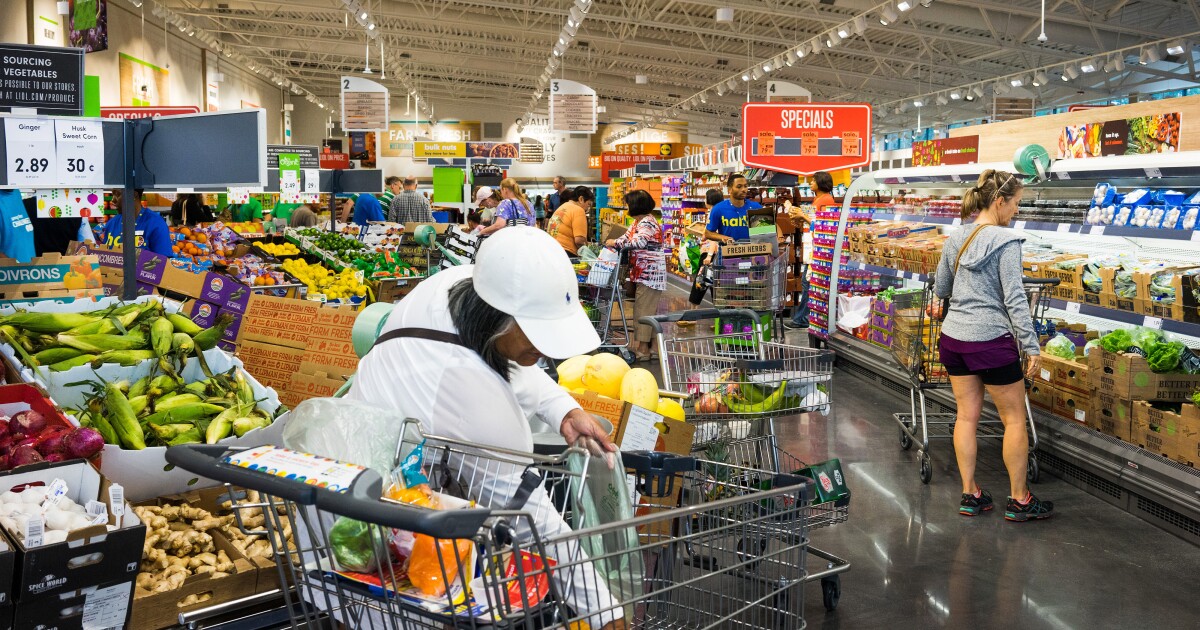
Food prices rose 0.7%, with five of the six main grocery store food groups seeing rises. Dairy products rose 0.9%, but eggs saw an 8.2% drop in prices.
The numbers come alongside a December jobs report from Friday that provided further evidence of a prolonged slowdown that has been building for months, echoing Federal Reserve officials' pessimism leading into 2026. Minneapolis Federal Reserve President Neel Kashkari recently
Federal Reserve policymakers are split over how to adjust interest rates in 2026. In December, the Fed's Federal Open Market Committee
Fed Governor Stephen Miran
The data comes after the economy has given mixed signals late last year. In August, inflation accelerated to 0.4%, a rate that was nearly double July's pace as job growth
Democratic Sen. Elizabeth Warren of Massachusetts, who had a phone call with President Trump on Monday about economic issues, said the numbers showed the persistent prices in the economy, blaming inflation on the administration's policies.
"For a year now, Donald Trump has raised costs for families despite his promise to lower them 'on day one.' Today's data shows that inflation is still higher than it was when President Trump started his trade war in April," said Warren, who serves as ranking member of the Senate Banking Committee, in a statement. "And annual inflation on groceries and utilities has risen compared to a year ago, hitting household budgets hard. As I said to the President