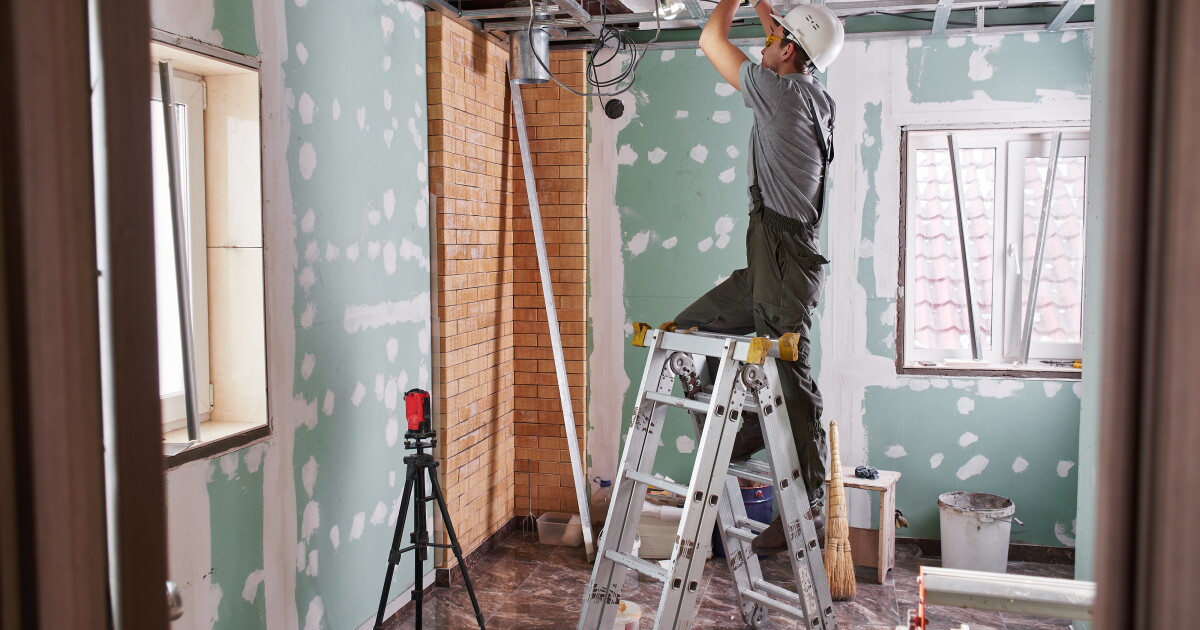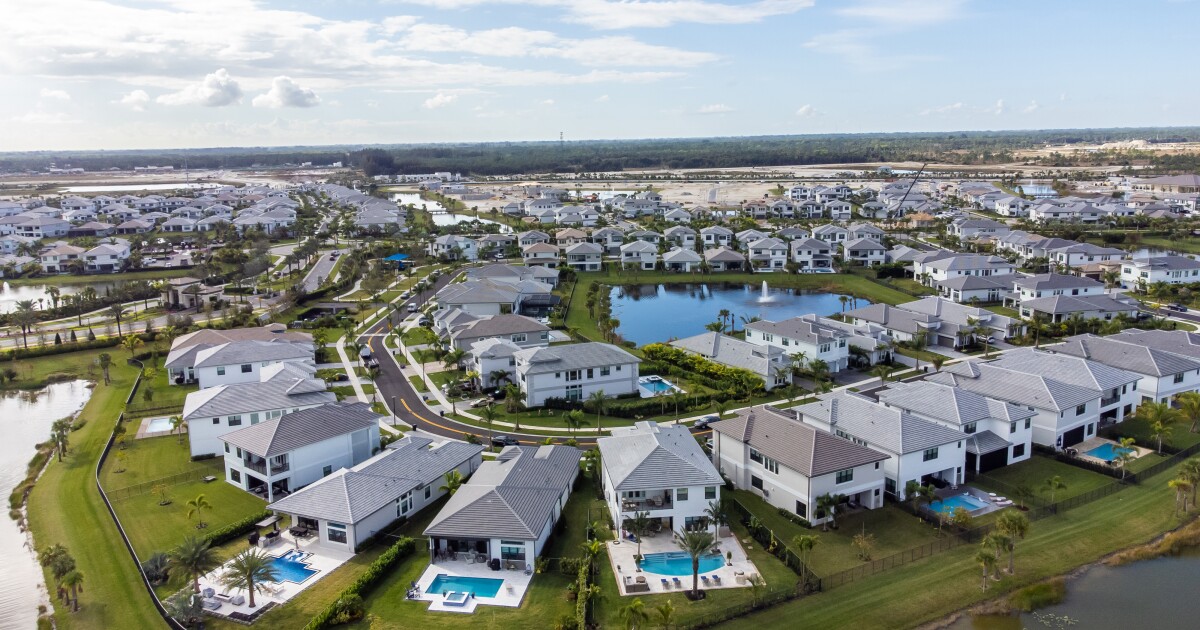
Housing starts in the US fell in October to the lowest level since the onset of the pandemic as data delayed by last fall's government shutdown showed builders continued to cut back amid still-high prices and mortgage rates.
New residential construction decreased 4.6% to an annual rate of 1.25 million homes in October, government figures released Friday showed. The median estimate of economists surveyed by Bloomberg saw 1.33 million housing starts.
READ MORE:
Starts of one-family homes rose 5.4% to an annualized 874,000 pace, though they remained near the lowest levels of the past two years. Starts of structures with five or more units fell almost 26% in October, to a five-month low.
The data indicate builders continued to pump the brakes in the fall, trying to cut construction times and find other efficiencies while waiting for customer demand to return. An index of homebuilder sentiment published by the National Association of Home Builders and Wells Fargo remains at a weak reading of 39, with anything below 50 meaning more builders see conditions as poor than good.
That's despite some improvement in the nation's affordability crisis. Mortgage rates that were close to 7% in May fell throughout September and October, eventually reaching 6.25% earlier this month, a more than one-year low. And new-home prices fell for most of last year, according to the most recent federal data through August.
READ MORE:
"Last quarter, I noted that declining interest rates could signal the start of a market recovery," Lennar Corp. Chief Executive Officer Stuart Miller said in an earnings call last month. "Unfortunately, that turnaround has not yet materialized."
Hoping to get in front of growing concerns over affordability, President Donald Trump in recent days proposed
In October, building permits, which point to future construction, fell 0.2% to an annual pace of 1.41 million, after rising in September to the highest level since April. Single-family permits fell 0.5% to an annualized 876,000.
Around the US, housing starts in the South, the nation's biggest homebuilding region, edged higher after falling in September to the lowest level since May 2020. Starts also eked out a small gain in the Midwest, and fell in the Northeast and the West.
Friday's release offered the first look at official data on new residential construction and permits since August, because of the 43-day federal shutdown. The government on Friday also released delayed housing data for September. In that month, housing starts rose 1.2% to an annualized pace of 1.31 million, while building permits jumped 6.4% to an annual 1.42 million.
The new residential construction data are volatile, and the report showed 90% confidence that the monthly change ranged from a 15.8% drop to a 6.6% gain.