Flood zones no longer mark the boundary of storm risk. As weather patterns intensify, servicers are getting ahead of it, reaching clients before disaster strikes and building plans for forbearances, inspections, and insurance claims.
"Make sure there's educational materials internally and externally so the worst possible scenario is planned for," said Jane Mason, CEO of servicing software company Clarifire.
There are different types of required insurance depending on the common disasters. Properties located within the 100-year flood plain mapped by the Federal Emergency Management Agency are required to enroll in flood insurance. The National Flood Insurance Program
But there are homes outside of the mandate that are still at risk for flooding, known as the "
This year, scientists are expecting a Super El Nino. Unlike a regular El Nino, which raises equatorial sea surface temperatures by up to 1.5 °C, a super El Niño exceeds a 2.0 °C increase, triggering much more severe global weather extremes. Southern states may experience more precipitation during the winters and Western states might experience more high-tide flooding from storms.
Outdated flood maps create outsized risk
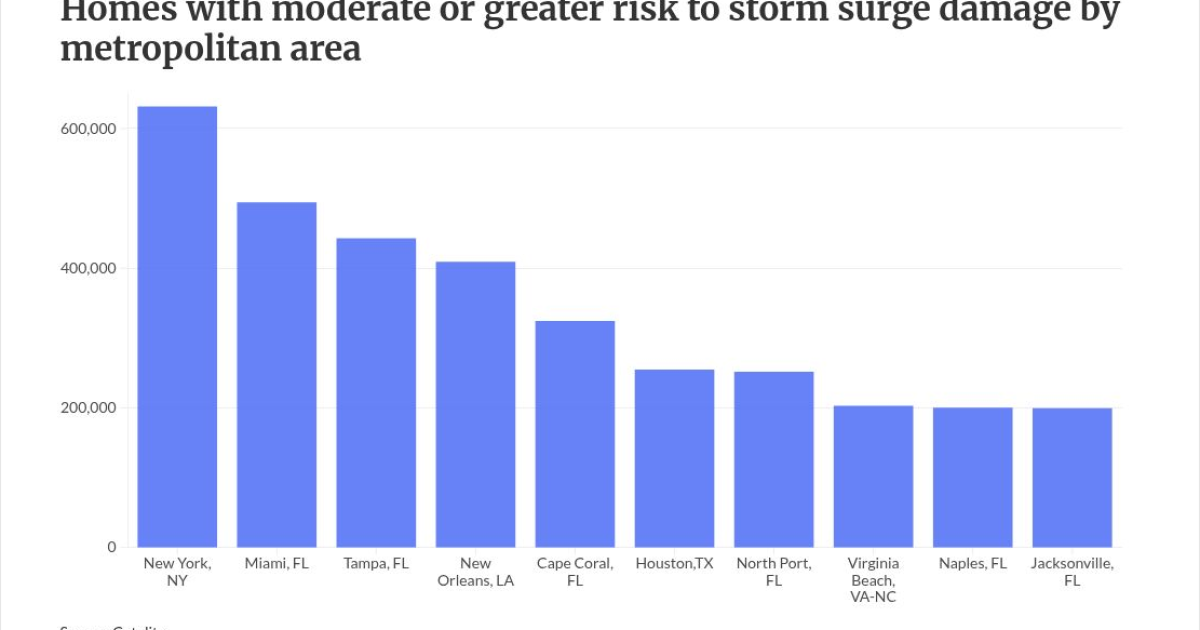
The FEMA flood maps are outdated in many parts of the country, including New York's
There was
"Communities may gain short-term financial relief by resisting or delaying high-risk designations, but the consequence is long-term vulnerability and underinsurance, a trade-off increasingly exposed by recent floods across the country," reads a report by private flood insurance provider
An estimated 50% to 75% of homes are underinsured, according to a recent
Looking at structural vulnerabilities in housing by analyzing details like first-floor height in addition to examining local topography is another option to more accurate models, according to Cotality's report.
How servicers are coping
Serious delinquencies have also been shown to jump after a disaster, taking a year or longer to revert, according to Cotality. Unlike early-stage defaults, this increases management costs including document flow, counsel oversight, and vendor coordination.
Servicers should proactively educate borrowers and provide contact information and resources to prevent early delinquencies after a hurricane, said Mason.
"During the twin hurricanes here, we did massive volumes of bulk forbearances. Many of the borrowers didn't even know they could have that opportunity," she added.
Already having workflow within the organization for when there is a high volume of calls after a disaster also mitigates losses as a servicer.
"When there is a hurricane, your workflow should kick off the disaster forbearances, the inspections, the insurance claim, the lost draft, and the escrow analysis. You have to have that orchestration of processes, and the visibility into those processes ahead of time," said Mason.
Concerns for lenders to consider when making estimates
Severe weather patterns like hurricanes have also increased insurance premiums for those who are looking to purchase a house near or in a flood-prone area. Insurance now
When buying a home, brokers will often look at a homebuyer's credit and financials and come up with an estimate of their payment. While the broker might know the taxes on the house and what the interest rate is, they often don't know the insurance premium on the property and have to estimate a rate.
"What happens is they're pre-approved and their loan goes into underwriting and everything's good, and in the meantime they get their homeowners insurance, and all of a sudden the premiums are double, triple what they expected," said Adam Klayman, Florida Mortgage Brokerage President who has been serving Florida for 37 years. "Sometimes even though I estimate high, it's still higher, and it kicks them out of qualifying."