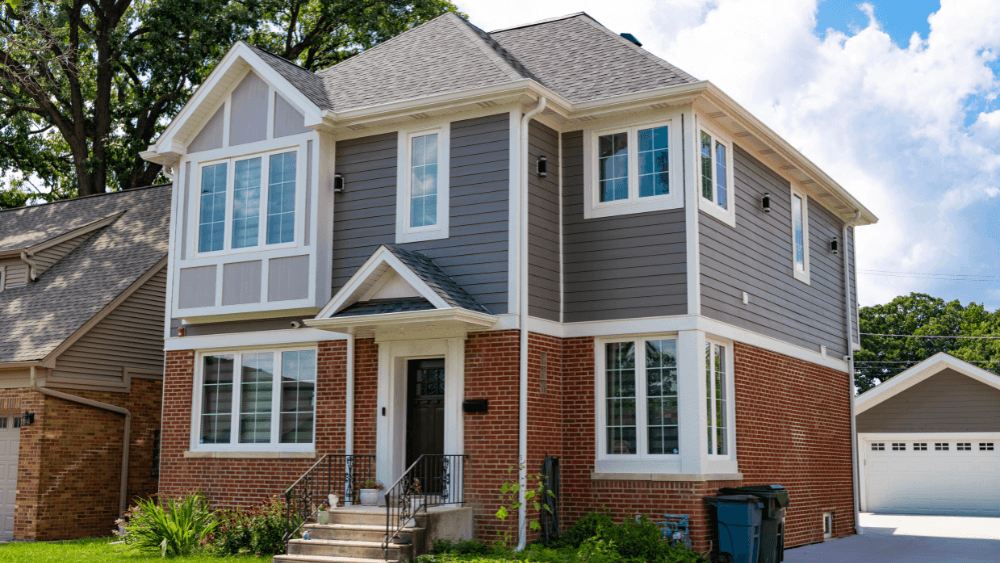
Selling your current home while buying a new one can feel like a juggling act. Coordinating both transactions at the right time, especially in a competitive market like San Antonio, isn’t always easy. When available homes are limited and buyer demand is strong, it may seem like your only choice is to sell first and move into temporary housing while searching for your next place. Fortunately, there’s another path that can help you avoid a double move. For some homeowners, San Antonio bridge loans provide a way to buy a new home before their current one sells. This type of short-term financing can offer added flexibility and more control over your moving timeline. In this guide, we’ll explain how bridge loans work, their potential benefits and drawbacks, and what to know before pursuing a bridge loan in San Antonio. A bridge loan is a short-term financing option that helps you buy a new home before your current one has sold. It lets you tap into the equity you’ve built in your existing home to access funds for a down payment, closing costs, or other purchase-related expenses. Because bridge loans are designed to provide quick access to cash, they typically come with higher costs than a traditional mortgage. Still, many San Antonio homeowners find the added flexibility worthwhile, especially when trying to avoid a rushed sale or temporary living arrangements. Bridge loans may also be referred to as: One common situation where a bridge loan can help is when you’ve found a new home in San Antonio but haven’t yet sold your current property. In that case, you can use the equity in your existing home to fund the down payment and closing costs on your next purchase. In many cases, the lender providing your new mortgage may also offer a bridge loan. They often require your current home to be listed for sale and typically structure the loan with a term of six months to one year. To determine whether you qualify, the lender may review your debt-to-income ratio using your current mortgage payment, proposed new mortgage payment, and any bridge loan obligations. If your existing home is already under contract and the buyer’s financing is fully approved, the lender may only consider your new mortgage payment. This can help demonstrate that you’ll be able to manage your finances if your current home takes longer than expected to close. Here are a few ways San Antonio bridge loans can help make your move smoother: While bridge loans offer flexibility, they also come with some potential downsides: A bridge loan isn’t the best fit for every homeowner, but it can be useful in situations where timing is especially important. You might consider a bridge loan if:What is a bridge loan, in simple words?
How do San Antonio bridge loans work?
What are the benefits of a bridge loan in San Antonio?
What are the drawbacks of a bridge loan?
When is a bridge loan a good solution?