A new prime minister might mean lower mortgage rates, according to John Charcol mortgage technical manager Nicholas Mendes.
However, rates could increase if a new UK leader had a fiscal reputation that might rattle the markets, Mendes went on.
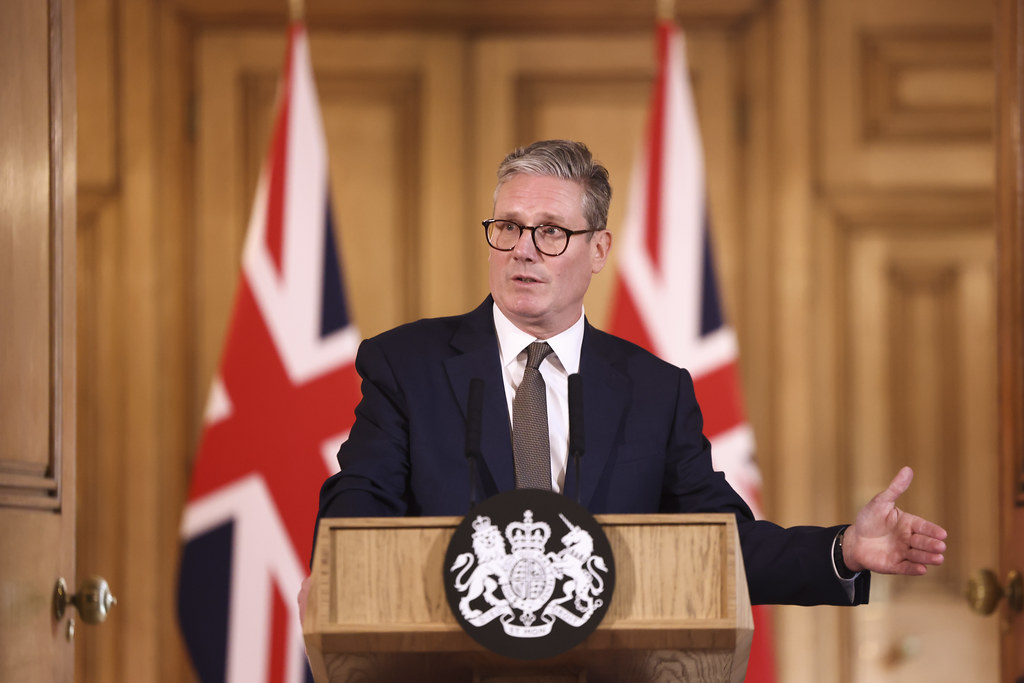
Prime minister Kier Starmer is currently under siege following a disastrous showing for Labour in local elections last week. Many Labour MPs are asking him to step down, though he is currently refusing.
Mendes said: “Markets do not like uncertainty, and this is exactly the sort of situation that can make them nervous. It is less about who is in charge today and more about what could come next: whether there is a leadership change, who eventually takes over, whether fiscal policy shifts, and whether that means more borrowing and spending.”
The identity of any new leader would matter because markets will judge the outcome through the lens of fiscal discipline, Mendes added.
He said: “If someone seen as more fiscally cautious and market-friendly were to emerge, the reaction could be calmer, and gilt yields may ease back. Someone such as Wes Streeting, for example, may be viewed by markets as a steadier option, which could help reduce some of the pressure on gilts and swaps.
“An outside name such as Al Carns may also be taken reasonably well, partly because markets would not immediately associate him with a significant loosening of fiscal policy. There would still be some uncertainty, because investors know less about his likely economic direction, but the reaction may be less negative than if the leadership contest pointed clearly towards higher spending and looser borrowing rules.”
However, markets may react more conservatively if a new prime minister was more fiscally rigid.
Mendes said: “Markets are likely to be more cautious if the next phase of leadership points towards a more expensive fiscal agenda. Names such as Angela Rayner, Ed Miliband or Andy Burnham may therefore create more concern in the gilt market if investors conclude that policy could shift towards higher borrowing, more spending or weaker fiscal rules.”
Lenders are already showing caution, with 10-year gilts around the 5.1% mark.
Mendes added: “The 30-year gilt has touched fresh highs, and swaps are higher across the curve. On the latest data, the two, three and five-year swap rates are all around seven to nine bps higher than yesterday and roughly 26 to 27 bps higher than a month ago.”
“Until the political position is resolved, the market is likely to remain cautious. If there is a quick and credible path forward, the pressure could ease. If it drags on, or if the likely direction of travel looks more expensive from a fiscal point of view, then gilt yields and swaps could remain under pressure.”
However, the bigger driver for interest rates may still be the inflation risk coming from the Iran conflict and Trumpflation, Mendes went on.
“Political uncertainty matters, especially for gilts and sterling, but if higher energy prices keep feeding into inflation expectations, that has a much more direct impact on where the Bank of England and markets think rates need to go,” he concluded.