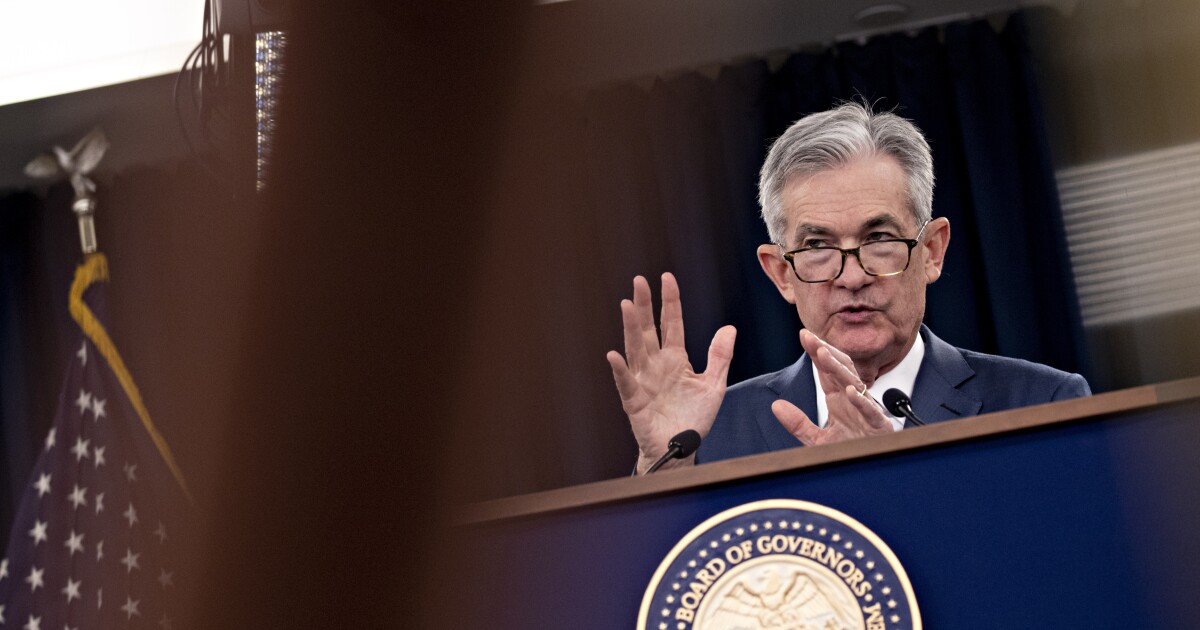
In a highly expected move, the Federal Reserve cut its federal funds rate on Wednesday, but Chairman Jerome Powell's comments ultimately may have more influence on whether policy provides a boost for lenders and home buyers.
The central bank slashed its funds rate by 25 basis points at the
With the outcome largely baked into projections, the move itself would likely cause no immediate spike or dip
He emphasized on Wednesday, though, that a federal rate cut is only a small part of the full housing affordability picture.
"The housing market faces some really significant challenges, and I don't know that a 25 basis point decline in the federal funds rate is going to make much of a difference for people," he said during a press conference.
"We can raise and lower interest rates, but we don't really have the tools to address a secular housing shortage, structural housing shortage."
Yields on 10-year Treasurys, which typically influence the direction of mortgage rates, largely held steady immediately following the rate decision release. After clocking in at 4.18% to begin trading on Wednesday, yields drifted to 4.16% by noon and 4.15% at close.
Any interested parties expecting mortgage rates to move in lockstep with Fed decisions would also have been let down following the most recent FOMC meetings, however, making flexibility key to attracting and assisting borrowers, according to Gene Paluso, CEO of servicing technology platform Sagent.
"Mortgage rates are down almost 1% since January, but rates actually rose after September and October Fed cuts," Paluso said in a statement. "We must keep servicers prepared to help consumers through all possible market outcomes."
What Fed moves may mean for housing in 2026
Powell's statements indicate the latest cut will likely be the last for some months as the committee sees how currently policy plays out.
"I would note that having reduced our policy rate by 75 basis points since September and 175 basis points since last September, the Fed funds rate is now within a broad range of estimates of its neutral value, and we are well positioned to wait to see how the economy evolves," the chairman said.
While many housing economists see few dramatic deviations in mortgage lending conditions,
"I believe next year, you're not going to see the variability that you've seen these last few years and these wild kind of roller coaster rides," Certainty Home Lending CEO Franco Terango said. But he added that sentiment could quickly shift at the end of Powell's term as Fed chair in May depending on the stance of his successor.
"I think the wildcard in this is who the administration places in Chairman Powell's role. The president said it over and over again — he's looking for somebody that wants to make a real impact and bring rates down."
A more aggressive approach may put Powell's replacement at odds with many forecasters "because economists would say slow and steady is the right thing to do," Terango said.
Officials are projected to keep the 2026 median Fed funds projection at 3.375%, which would point to one additional rate cut next year, noted First American senior economist Sam Williamson.
"However, significant dispersion in individual projections means even small revisions by a few participants could shift the 2026 median and spark outsized moves in market rate expectations," Williamson said in a statement.
With the Fed committee split, though, "a slower path back to neutral looks like the base case heading into next year. That likely leaves 30-year mortgage rates hovering in the low-6% range," he continued.
Housing and borrower trends over the last few years mean the mortgage and real estate industries are likely to encounter consumers today who are more attuned to the
Frequent headlines focused on home prices and affordability have turned Federal Reserve decisions into coffee table conversations for some of the general public.
"Keep in mind, we just went through a decade of very, very low rates where people not only bought homes, they bought multiple homes. They've moved in and out. They've refinanced two, three times over a decade," Terango said. "The sophistication of borrowers today is much more than it used to be because people are really sensitive to rates."
On the other hand, some leaders also emphasize that current industry discussions need to include other factors in order to meaningfully generate demand, echoing the Fed chair's observations.
"When it comes to discussing the housing market, we need to pivot the discussion from the relentless pursuit of lower rates," said Panorama Mortgage Group President Hector Amendola. "While lower rates can certainly help with affordability, they also tend to ignite demand, which pushes prices even higher. The more sustainable path is a housing market where prices stabilize and wages have room to catch up."