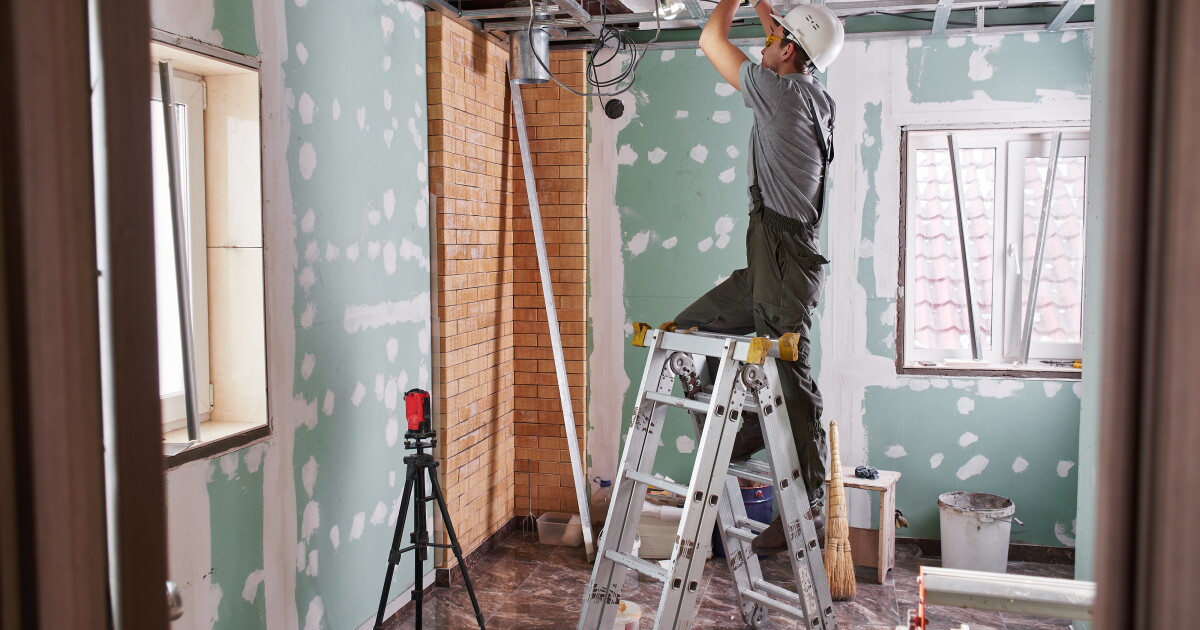
Sales of new homes in the US were little changed in October near the strongest pace since 2023 as builders lured anxious customers with price cuts and incentives.
New single-family home sales eased 0.1% to an annual rate of 737,000 following a 3.8% September increase, according to government data released Tuesday. The report, which included the first estimate of September sales, was delayed by the record-long federal shutdown.
The median projection of economists surveyed by Bloomberg was for a 715,000 annualized pace of contract signings in October.
READ MORE:
The steady pace of sales helped builders make only a slight dent in a still-elevated surplus of houses on the market compared with earlier in the year. New-home inventory was unchanged at 488,000 units in October from a month earlier, still near the highest since 2007.
Economists see the nation's housing market rebounding gradually this year, with builders continuing to entice customers with incentives while waiting for a further decline in mortgage rates.
In December, 67% of homebuilders reported using sales incentives, a record in the post-Covid period, while a still-high 40% reported cutting prices, according to a monthly
While still a hurdle for million of Americans, financing costs have eased slightly in recent months. Mortgage rates, which approached 7% in May, reached a more than one-year low of 6.25% at the turn of this year.
Meantime, the median sales price of a new home decreased 8% in October from a year earlier to $392,300, the government report showed. The annual decline was the largest since August 2024.
By region, October sales fell in three of four regions, including a more than 36% plunge in the West to the slowest pace since 2022. The Pacific Coast experienced torrential
In the South, the biggest homebuilding region, purchases increased 16.9% to an annual rate of 513,000 — the fastest since March 2021.
READ MORE:
Late last year, a sluggish job market and poor consumer confidence, along with the anticipation of lower interest rates and falling prices, "pushed many consumers into full wait-and-see mode," Ali Wolf, chief economist at property data firm Zonda, said in an email before the report.
This year, sales may grow in the low-to-mid single digits as interest rates trend lower and builders boost the number of housing subdivisions they open, Bloomberg Intelligence analyst Drew Reading said in a Dec. 30 note.
President Donald Trump has proposed a flurry of initiatives in recent weeks to address housing affordability. Among those, Trump proposed banning institutional investors from buying single-family homes and
New-home sales are seen as a more timely measurement than purchases of existing homes, which are calculated when contracts close. However, the data are volatile on a monthly basis. The government report showed 90% confidence that the change in new-home sales ranged from a 14.3% decline to a 14.1% gain.
On Wednesday, the National Association of Realtors will release December previously owned home sales data.