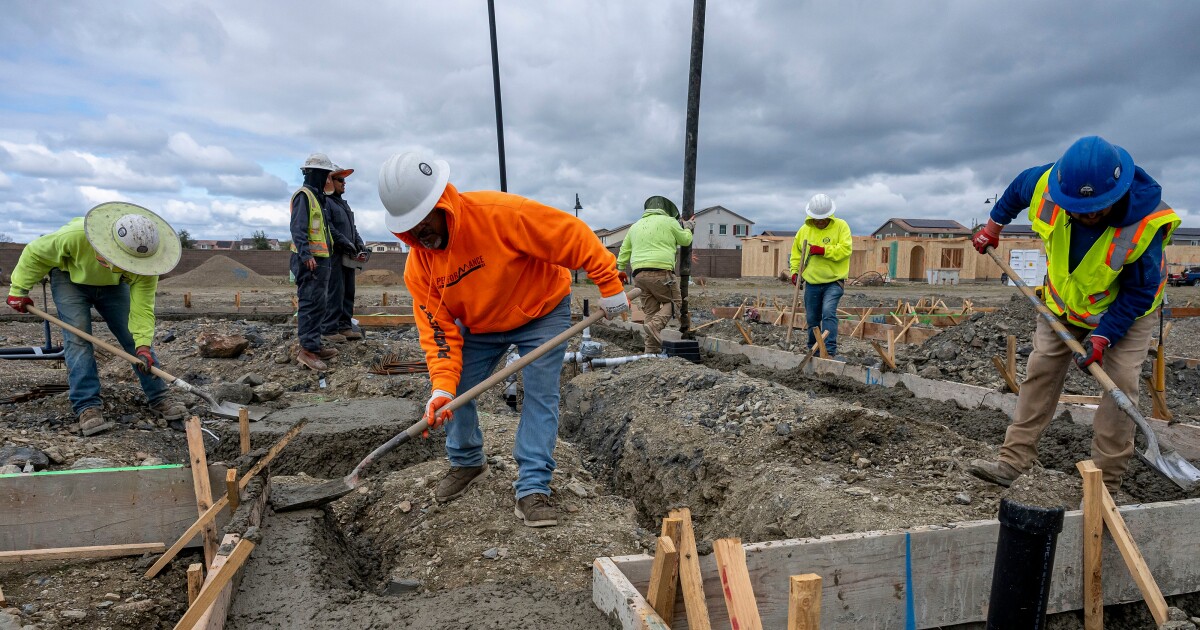
A House of Representatives committee advanced a piece of legislation Wednesday aimed at
A markup of the bipartisan Housing for the 21st Century Act was passed, 50-to-1, by the House Financial Services Committee, setting up a potential floor vote early next year. The committee also unanimously passed a separate bill to extend
"This housing affordability challenge affects everyone, from young people saving up to buy their first home, to middle-class workers trying just to make the rent," Subcommittee on Housing and Insurance Chairman Mike Flood, R-Neb., said.
"In other words, housing costs have been too high across our country for the last several years, and the culprit is a lack of affordable housing supply. … This bill is a historic and bipartisan product that will get to the root of the housing affordability challenges our country has experienced for the last several years."
The new legislation looks to update programs, streamline regulatory requirements and improve flexibility. It includes:
- the Housing Supply Frameworks Act, which directs the Department of Housing and Urban Development to publish guidelines and best practices for state and local zoning frameworks;
- updates to the HOME Investment Partnerships program by expanding program eligibility;
- The Choice in Affordable Housing Act of 2025, which reduces delays in HUD inspections and gets voucher holders into housing faster.
- and the removal of the permanent chassis requirement for manufactured homes.
"Rather than imposing new federal mandates, this bill takes a smarter approach," said Rep. Tim Moore, R-N.C. "It removes unnecessary barriers to housing production and gives states and local governments greater flexibility to expand supply in ways that reflect local needs. The [act] directly addresses regulatory inefficiencies that delay construction, that increase costs but does so by streamlining federal environmental review requirements and modernizing federal standards that no longer reflect today's modern building practices. "These reforms will shorten the permitting timelines, and they will also directly lower the per-unit construction costs," he added. "The bill also embraces innovation, particularly when it comes to manufactured and factory-built housing."
Manufactured housing was called upon as
National home
"I want to recognize that this bill accomplishes something that very few pieces of legislation can these days in Washington," said Rep. Marlin Stutzman, R-Ind. "This package does not spend a dime of taxpayers' money. Instead, it advances bipartisan, common-sense reforms that get big government out of the way of building new housing. And we all know there is great demand for new housing across the country."