
If you’ve added an accessory dwelling unit (ADU) to your property, you’ve likely invested tens of thousands of dollars — or in some cases, much more. Now that you’re preparing to sell, you may be wondering: How much of that investment will I get back? The exact amount depends on a combination of factors, and whether you followed the rules when you built it. In this guide, we’ll break down how ADUs affect resale value, what influences pricing, and how to estimate your home’s value with an ADU in place. We’ll also share expert tips and insights from two of the nation’s top-rated real estate agents.
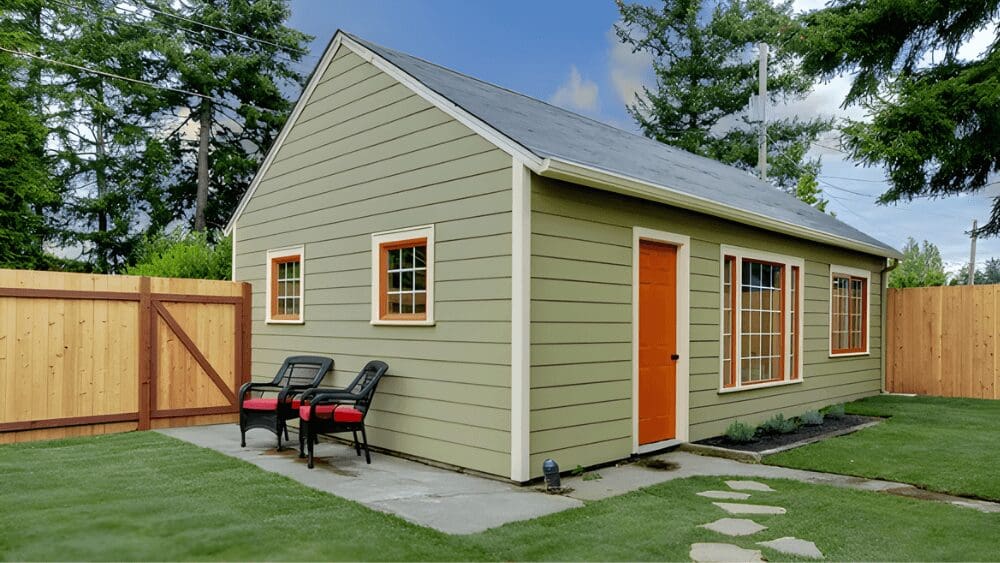
An accessory dwelling unit is a secondary residential unit located on the same lot as a primary home. It has its own living space and typically includes a kitchen, bathroom, and sleeping area. Many ADUs range in size from about 600 to 1,200 square feet. Denise Madan, a HomeLight Elite agent in Florida with 27 years of experience, explains that an ADU can be known by many names. “We call it an in-law quarter, next-generation quarter, or efficiency studio.” Other names for ADUs include granny flats, backyard cottages, casitas, garage apartments, carriage houses, and ohana units. “There are certain areas in Florida where ADUs are popular because of the population,” says Madan. In fact, Florida is among the states with the highest number of ADUs, second only to California. “In recent years, California actually passed laws to encourage homeowners to start building ADUs to accommodate more housing and make things a little more affordable for some buyers,” says Joel Freis, a top agent who is part of the Miami-based Madan & Freis Group. Common types of ADUs include:What is an accessory dwelling unit?