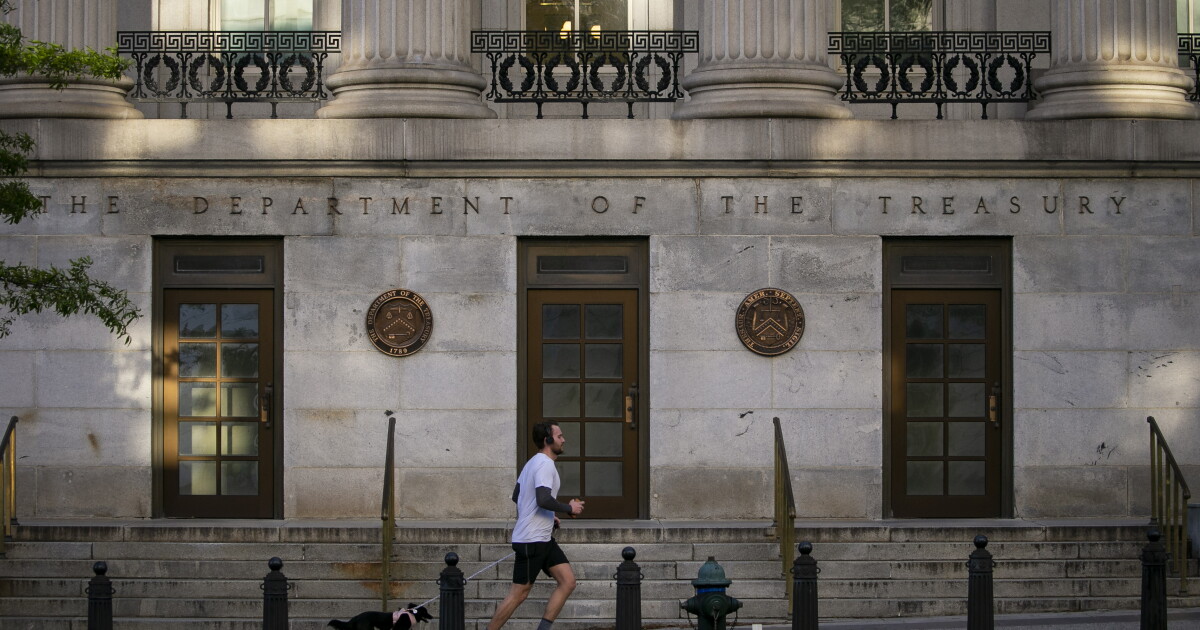
The Trump administration has more housing initiatives under consideration beyond recently-announced mortgage bond purchases and these reportedly may include an executive order aimed at expanding use of retirement and education savings accounts for home purchases.
"Stay tuned for the president's speech in two weeks at Davos, I think you'll be very excited about some of the things he announces with housing," Bill Pulte, conservator and regulator for Fannie Mae and Freddie Mac, told Fox News' Maria Bartiromo in an interview Monday morning.
"You see the president right now taking bold steps and action to make sure that American people can afford to buy homes," Department of Housing and Urban Development Secretary
Retirement or education fund use for housing
An executive order that would allow savings for education or life after leaving the workforce to be used more expansively for down payments without penalty is one of the ideas on the table, a Politico report last week stated, noting that unnamed sources had seen it circulated.
An alternative approach would be to revive a bipartisan proposal from 2022 called
President Trump has recently shown interest in backing another consumer housing advocacy idea,
"For years, Wall Street has used your 401(k) money to buy single-family homes. We should ban them from doing it — but allow you to use your 401(k) to help you buy a home, without penalties for doing or caps or taxes," Sen. Josh Hawley, R-Mo. said in an X post last week.
There already is some flexibility in some retirement funds within certain limits. Americans already can withdraw $10,000 from an individual retirement account for a housing down-payment penalty free, according to a report by Ted Godbout of the National Association of Plan Advisors.
"The Internal Revenue Code spells out the penalty-free, early-withdrawal exceptions," Godbout wrote, noting that this means congressional action would be required to expand these.
Expanding use of retirement funds for housing is a concept for which "water cooler talk" is occurring, said Jeff Taylor, founder and managing director at Mphasis Digital Risk, a provider of operational, risk management and technology services for lenders.
Ways exist to allow people to tap those dedicated funds. "They have guardrails so you have got to be careful but I think that could be interesting," Taylor said.
Considerations in deciding whether to open up penalty-free use of retirement or school funds for down payments include whether such moves would detract from use of the money in the tax-advantaged vehicles for their primary purposes.
"On the flip side, though, an argument could be made that homeownership helps build wealth and long-term retirement security," Godbout said in his report.
New stock offering still possible at Fannie and Freddie
Pulte was dismissive of Bartiromo's questions about whether new 2026 housing initiatives like
An offering related to the enterprises which buy and securitize a large number of the
Housing moves the administration is considering do appear to have the potential to strengthen originations, the bond purchase concept in particular, news of which lowered rate-indicative bond yields to lows not seen in some time over the weekend.
"A lot of the devil is in the details of how you do that. It'll be really interesting to see what type of mortgage bonds they buy with this $200 billion," Taylor said.
More builder sales to consumers, incentives or conversions
Interest in getting more homes in consumer hands could mean initiatives that target builders, Pulte told Bartiromo Monday, noting that he would like to discourage them from engaging in home sales to corporations at deep discounts.
Incentives for consumer home sales could be on the table given U.S. officials have shown interest in them in the past, said Kimberly Lantham, a vice president at Mphasis. So too could be commercial to residential conversions, which have been a global topic in housing discussions, she said.
While a lot needs to be worked out in terms of which concepts are viable and how they can best be executed in line with their goals, Taylor said he finds it encouraging for U.S. policymakers to be generally exploring expansive housing concepts that could benefit the mortgage industry.
"All these different ideas to make housing more affordable or accessible, I think they're extremely positive," Taylor said.