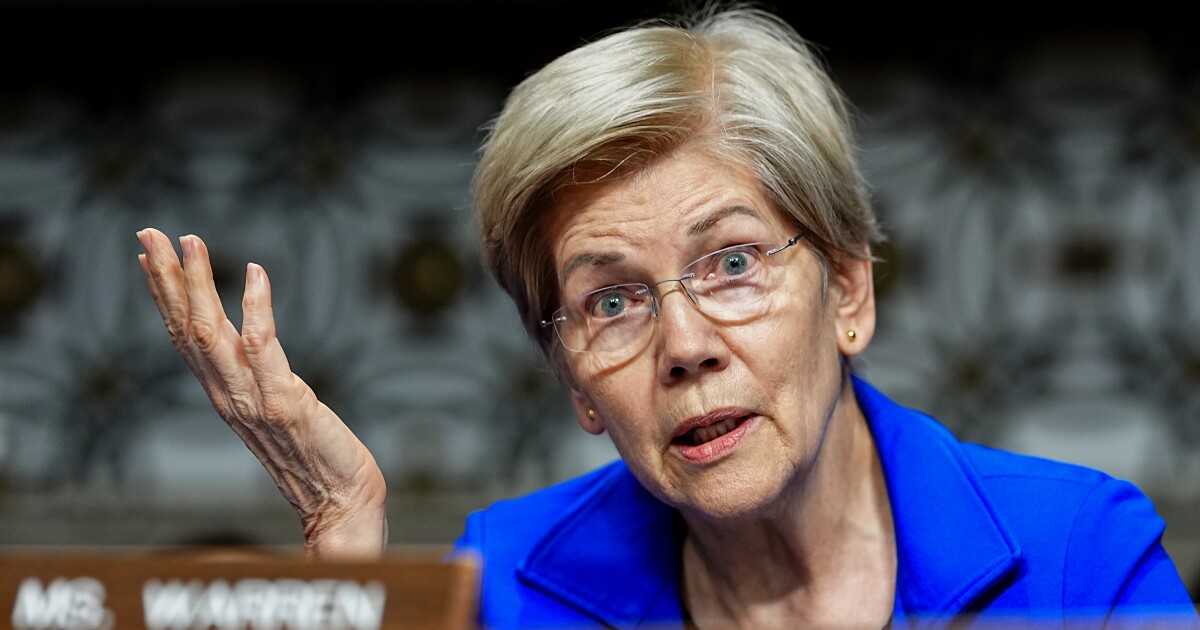
Department of Housing and Urban Development whistleblowers spoke of being stopped from doing their jobs enforcing fair housing laws at a hearing led by Sen. Elizabeth Warren, D.-Massachusetts.
The hearing, called "Fair Housing Under Fire," was held on Jan. 13. Warren is the ranking member of the Senate Banking, Housing, and Urban Affairs Committee. Other Senators at the hearing included Tina Smith of Minnesota and Tim Kaine of Virginia, also Democrats; no Republicans attended the event.
HUD Secretary Scott Turner was invited to speak at the hearing, but was not present, Warren said. Republican majorities in the Senate and House are refusing to hold hearings with Turner as requested by her and her counterpart Rep. Maxine Waters, D.-California.
National Mortgage News sent a request for comment to HUD.
Paul Osadebe and Palmer Heenan, two of the four whistleblowers who were fired by HUD after stepping forward, testified at the hearing. Both were terminated on Sept. 29, 2025, according to published reports.
The firings led to a letter from
The administration is
"HUD has a legal responsibility to enforce the Fair Housing Act and other civil rights laws for every person in this country, but as the whistleblowers have told us, HUD is failing to do its job," Warren declared. "Instead, they're firing, reassigning, intimidating and silencing staff."
She called for the HUD Office of the Inspector General to launch an investigation.
"Now, while Democrats don't control Congress, we will use every tool at our disposal, like today's forum, to hold Pres. Trump and his lackeys accountable for undermining fair housing and civil rights for families all across this country," Warren said.
Saying their presence at the hearing is meant to sound the alarm to Americans, Osadebe in his opening remarks continued "we had no choice but to come forward."
"Palmer and I and the other whistleblowers, the other HUD whistleblowers spoke out because the fair housing mission is being dismantled piece by piece and worker by worker, through gag orders that stop us from talking to your constituents when they file a complaint," he said.
"Current HUD leadership has enacted numerous policies designed to stop enforcement of the law, including by systematically punishing those who attempt to properly enforce the law or who blow the whistle on unlawful practices at the agency," testified Heenan, who had been a trial attorney for HUD. He claimed his firing was in retaliation for carrying out his duties.
It has actively sought to prevent enforcement through "firings, coerced resignations and reassignments," Heenan said during his opening remarks.
Neutral and lawful investigatory practices were upended by Turner, leaving HUD unable to prosecute cases it is required to by the Fair Housing Act, he continued.
Also testifying at the hearing was Sasha Samberg-Champion, the special counsel for civil rights for the National Fair Housing Alliance and a former HUD deputy general counsel for enforcement and fair housing in the Biden Administration. Current HUD leadership is refusing to spend money Congress appropriated and eliminating fair housing staff.
Congress needs to increase its oversight over HUD's actions, Samberg-Champion said.
Data put out last fall found that
Martie Lafferty, executive director of the Tennessee Fair Housing Council, was the fourth panelist. Her group was
HUD's delay in awarding the FHIP funds prevented the group from providing full services for seven months, requiring it to cut staff and not take on as many cases, nor conduct testing, Lafferty said.
She also spoke of the difficulties getting HUD to approve a conciliation agreement, because the agency was allegedly insisting on requirements not in the fair housing statute.
Eventually a private agreement was reached, but it took extra time and is not public, Lafferty said.