
Total construction output fell by 0.7% in Q3 (July to Sept) 2026 compared with Q2, according to the latest figures from ONS .
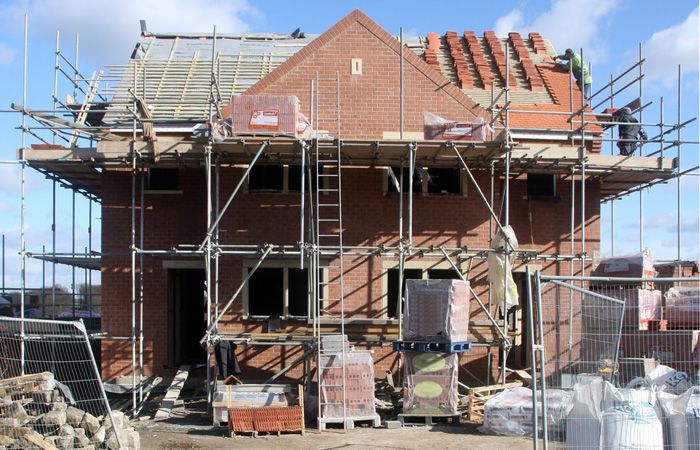
At the sector level, five out of the nine sectors fell in Q3; the main negative contribution to the decrease was private new housing, which fell by 4.7%.
Commenting on the latest data, Hampshire Trust Bank managing director of development finance Neil Leitch said:
“A fall in private housebuilding output is another reminder of the difficult conditions facing developers. The concern isn’t simply that fewer homes are being built today, but that the pressures behind these figures are also making it harder for housebuilders to commit to their next projects, particularly SME developers who are being squeezed on several fronts.
“Recent research from Savills highlights just how disconnected planning reform remains from actual delivery. Applications for new homes have risen sharply, but that increase has yet to translate into a corresponding rise in consents.”
He added: “Encouraging developers to bring forward more schemes achieves very little if those applications then become stuck in the system. For smaller housebuilders, the cost of that uncertainty can be particularly damaging, tying up capital and making it harder to commit to future projects.
“At the same time, SMEs are facing a disproportionate squeeze from weaker sales rates, elevated financing costs and further regulatory burdens. These businesses don’t have the same financial resources as the major housebuilders, and their ability to absorb delays or rising costs is far more limited. When margins are already under pressure, it doesn’t take much for a viable development to become one that simply isn’t worth progressing.”
Leitch stressed that these figures should be a warning that housing delivery cannot improve sustainably without addressing the conditions developers face. “The test of planning reform isn’t how many applications enter the system, but how many viable schemes secure consent within the statutory timescales and can actually get built.”
Goodman Jones managing partner Matthew Cook said there were reasons for cautious optimism in parts of construction – notably infrastructure, but the outlook for housebuilders and residential developers was more challenging.
“High material, energy and labour costs, combined with subdued demand, continue to squeeze developers. The Bank of England’s decision on 5 November to raise Bank Rate from 3.75% to 4%, with further rises possible, adds pressure through higher mortgage and development finance costs, potentially weakening buyer confidence and project viability.”
He added: “The Budget provided some support, including an additional £1.5 billion for the Social and Affordable Homes Programme and £4.7 billion for the Your First Home scheme. However, these measures are unlikely to have a meaningful impact before 2027, offering little immediate relief.”